Exciting new acquisition

bucket of fish heads and guts
It’s a perspective thing — the bucket is over half full.

I haven’t determined exactly how I’m going to incorporate fish waste into my close-to-totally-disorganized garden, but it will have to be dog-digging-proof. I have decided to make a substantial fence. But deciding is short of doing, and we happen to have a puppy who likes to dig — and meanwhile no fence.

Beyond remembered tales of American Indians dumping a fish head or carcass below each corn plant, my fish-in-the-garden story is this: shortly after arriving in Mexico in 2007, I attended an organic gardening class by a massively overweight American woman who happened to be very good at growing things. Actually, exceptionally good. She was also an outstanding cook and baker, and, unh huh, liked to eat. She had a plastic-lined pit in which she made compost tea from fish, and shared her secret source. There was, she said, at the end of a short two-block street that ended at the railroad tracks in Pátzcuaro, a place where they processed fish from the lake. You had to knock on an unmarked door, have containers, explain your request, and then, Hod willing and goods delivered, back out the two blocks, because there was no way to turn your car around.

Sorry, that’s above my pay grade.

She also explained how they cultivated contacts in the daily mercado for composting. They had to they dress down, relate to the locals, develop trusted relationships in order to get the valued vegetable waste. Wow. Heavy social investment.

Reference: there is no way a home gardener can get enough compost from home vegetable waste. You need organic materials from somewhere else.

Anyway, visiting a project of ours on Calle Independencia near the cemetery in Pátzcuaro, I discovered something amazing: garbage trucks appear there every afternoon. Guys with hand trucks and 55-gallon barrels go into the market and bring out the waste. I showed up day after day, with a plastic tub like the one I bought here, and soon they wanted to know before they went into the market: was there was anything in particular I favored? Onion greens? Carrot tops? It was deliciously ironic.

But it got better.

One day, a little truck pulled up. Fish waste. From the fish place. You know, the one where you had do a little ritual of obscure door-knocking and reverse-driving. I said to the garbage kid (remember, I’m an old fart, so everyone is a kid), fish is OK in the garden, eh? and he enthusiastically agreed and personally took my plastic tub to the truck and proudly filled it with fish heads and bones and guts, and placed it in the back of my several-years-old Toyota 4Runner.

Fortunately, I had a plastic-rubber floor liner. Because, in his enthusiasm, the kid had maximally-filled my plastic tub. And despite my caution, over the first tope — speed bump — I heard the flop of a fish carcass. On the next another. No matter. I could always hose that stuff off.

The problem arose — as today — when I realized that I had arrived home shortly before dinner time and actually had to do something with this treasure. In Mexico, it involved feverishly turning over my extensive compost pile, inserting fish waste, re-covering and weighting down plastic sheeting so our animals couldn’t get into it. It worked. And apparently fertilized magnificently, but by then we were the hell out of Mexico. Another story that I probably won’t tell here.

Meanwhile, here, a couple concrete blocks over the bucket this evening. Tomorrow? Stay tuned 😉

Thanks for reading this. Gardening is weird at times, no?
Modern vs. conventional construction in Uruguay

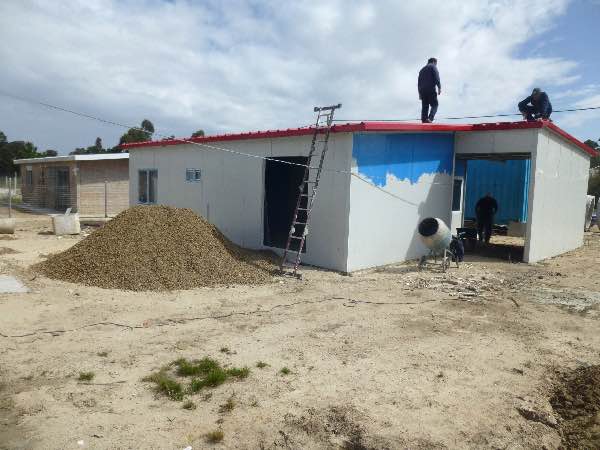
Friends are buying a lot and want to build a rental house. Recently they visited a construction expo in Montevideo and became fascinated with prefabricated houses imported from Australia. Today we went with them to view a couple of them.

The prefab house in the foreground is built to the same plans as the single-brick house in the background. The one in the foreground is less than a month into construction, and will be complete in less than two months from start. The one in back took two years.

modern construction in Uruguay

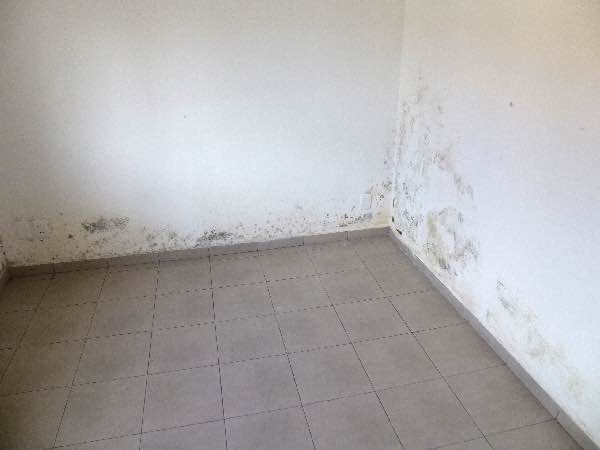
Additionally, the prefab is extremely well insulated. The vertical wall elements are filled with flammable styrofoam, but isolated from one another. In other words, each is its own cell, so even if one caught fire inside, it would not easily spread. Meanwhile, in the “wet” (traditional) construction house, which has never been occupied, the excessive moisture and lack of ventilation has created (typical) mold problems. Again, before people have even been living — and breathing — in that space.

bldg-5

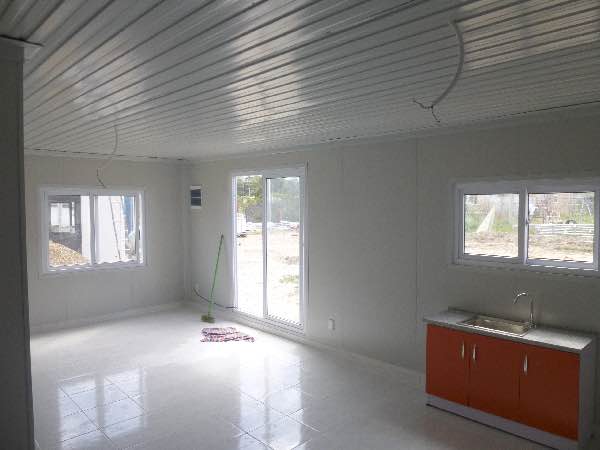
I don’t have comparative costs, but two months versus two years, excellent insulation versus no insulation and moisture problems — should be a no-brainer, eh? Well, there’s something lacking in the warm-and-fuzzy department in the interiors of the prefabs.

Interior, prefab house, Uruguay

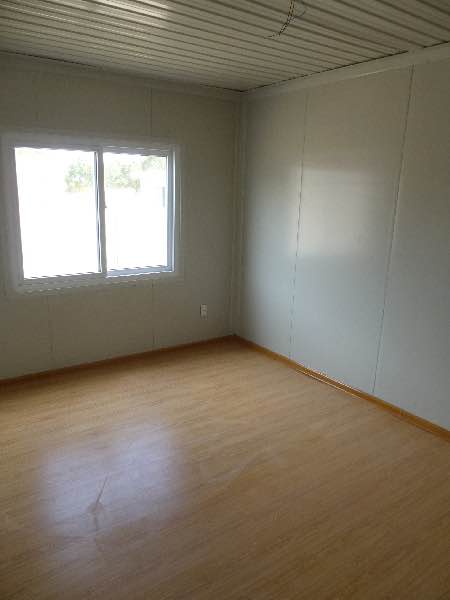
The “wood” floor doesn’t really remediate the shiny walls and industrial ceiling.

Interior, prefab house, Uruguay

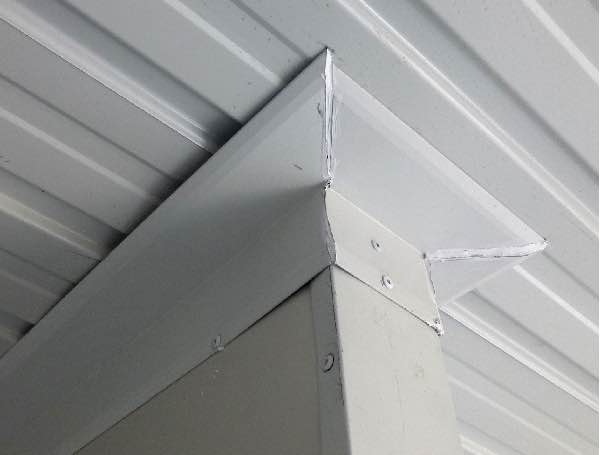
And then the details ….

Interior detail, prefab house, Uruguay

In the end, though, you must consider that this is “cheap for rental” construction. This could be done with an impressive crown molding, but in this case the owner doesn’t give a shit (no offense, Joe). In fact, there’s supposed to be a video on their site, but I didn’t find it on a quick perusal (tonight’s pizza night; I’m on duty). One could easily do a lambriz (thin tongue and groove) ceiling which would be much more simpatico.

You can make the walls much more attractive with textured paint. All a question of cost. Still, pretty exciting stuff, Isopanel.

My Saturday in UY

We really appreciate the opportunity, every other week, to buy fresh-as-you-can-get-it organic produce at bargain prices. Here Ricardo has just harvested a variety of acelga (Swiss chard) for us. Acelga is arguably the vegetable in Uruguay — if you order ravioli or canelones con verduras in a restaurant the verduras will be acelga. You can get it year-round. It took us a year or two to realize this was our desirable spinach substitute, since spinach is only occasionally available. And needs much more washing.

Feria Organica near Atlántida, Uruguay

So then off to our chacra nearby where the in-places knee-high grass needed cutting. A couple of wild ducks flew into our tajamar, but decided the noise of the lawn mower was offensive, and left. I had seen one on my previous trip. Other posts about the pond we created. It’s an interesting experiment in “letting nature do its thing.”

Wild ducks in our pond, Uruguay

Then there was the twice-monthly (because “bimonthly” can mean either twice a month or every two month; thanks English language) Atlántida-area English-speakers’ get together. 23 people showed up. Many lively (and funny!) discussions. Nationalities included Uruguay, US, Canada, England, Holland, and Germany. On other occasions we’ve had South Africans, Argentines, and no doubt others I can’t think of right now.


And this Saturday Occupy Couch performance art.

benji-couch

The ‘house’ in the ‘woods’

Beautiful weather the last few days, but I’m on dog-walking hiatus because he managed to slice open his foot on one of the multiple garbage dumps where we walk with Syd’s five dogs.

So this photo is from a few days ago.

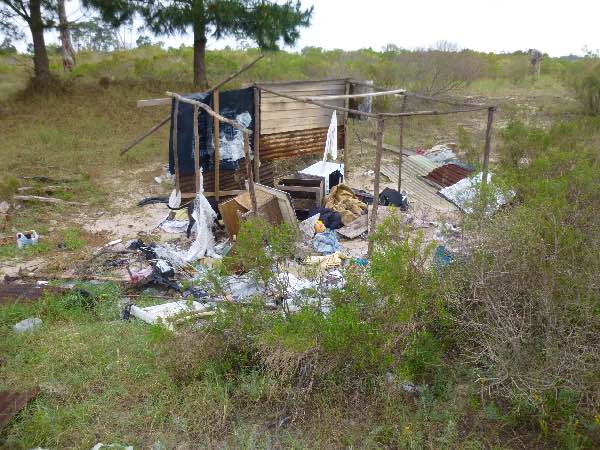
Shack in open area, Canelones Uruguay

According to Syd, someone spent a winter in this structure. It was intact when first I saw it.

Other trash sites include old furniture, TVs, and just about anything else you can imagine, including many things that could have been put in trash receptacles nearby.

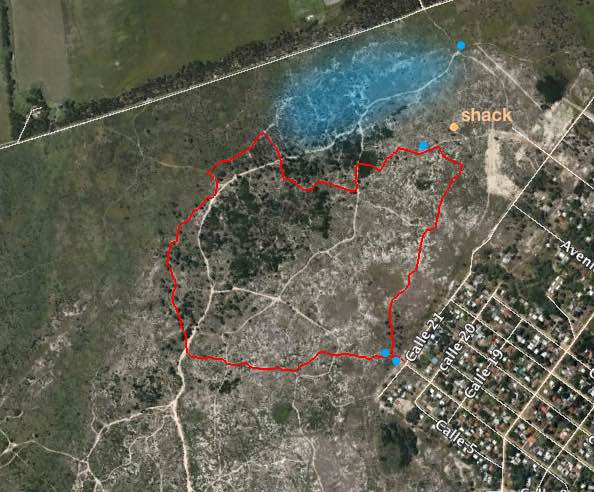
trash pile locations, Villa Argentina norte, Uruguay

Blue dots represent trash locations; Syd probably knows more. Light blue area is generally littered. And yes, there is a pile of broken TVs and other appliances just meters from the streets that have trash receptacles, and no, not all the trash predates the receptacles.


You may recall the dog we found and the mess its owner couldn’t be bothered to clean up.


An Uruguayan friend in nearby Parque del Plata told me that he and his wife spent a considerable amount of time cleaning up the corner lot opposite them, where neighbors left their trash, when the trash containers arrived. (OBTW there was trash pickup before the containers.) Shortly after, he watched a man in his 50s walk past the trash container to dump his trash in the open lot. When confronted, the guy said, this is the way I’ve done it all my life. He was eventually trained out of that habit. It took about a year.


Chemtrail plane identified

Strange combination of wispy clouds and fluffy ones today. But this west-east streak is clearly spraying.

Chemtrail from Lufthansa flight over Atlántida, Uruguay

I guessed 10-15 minutes old, when to planefinder.com and found the culprit:

Lufthansa chemtrail flight EZE-DKR

It seemed a little off course, or pointing the wrong way.

Lufthansa chemtrail flight EZE-DKR

But a half hour later, it’s out to sea and passage over us seems much more feasible.

wind map Uruguay

And the wind’s from the north, which makes sense. The trail drifted south a little.

Lufthansa chemtrail flight EZE-DKR

Five minutes later, it has turned northeast

Lufthansa chemtrail flight EZE-DKR

en route to Dakar, Senegal, about exactly halfway to Frankfurt. Spraying the whole way, or just over populated areas?


2012/05/17: A chemtrail in Uruguay

2013/05/09: Chemtrail in Uruguay: rare, but unmistakable

2014/09/28: Not a good sign


Beach, street, hand, dog, roof

I was talking with an Uruguayan today about our arrival in Uruguay, how people always asked why we’d want to live here when we could live in the Untied Snakes (OK, they didn’t say it exactly like that). This picture I took yesterday reminds me of the answer (especially after almost three years in Mexico): tranquilidad.

Dusk on beach, Atlántida, Uruguay

Then this, a “garbage” photo that I don’t think I took but I like. Shades of Henri Cartier-Bresson, perhaps. Or maybe it’s the weirdness of the street reflector looking like a sixth finger? Whatever.

street/hand, Cuzco, Peru

Cuzco, Perú, July 2016

And then, this, from a week and a half ago. Dog barking from a tile roof. Of course.

dog-on-roof

A little windy

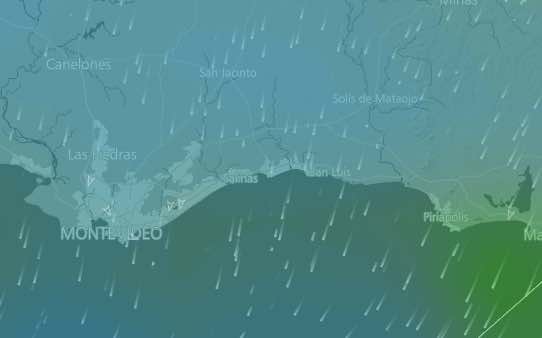
As in 2012, we’ve had some pretty serious wind the last couple days.

wind map during Uruguay storm

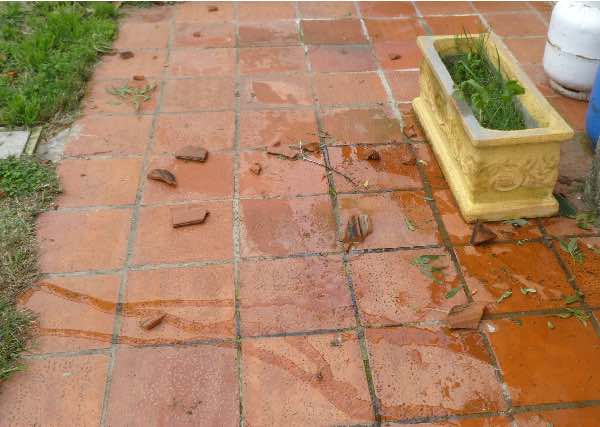
Yesterday evening, between two trips to the garage to get firewood, a couple of clay roof tiles blew off, landing directly where I would have been walking. (I still haven’t replaced the couple from the front that blew off in 2012, given the height of the roof.) I felt a little lucky.

Storm damage, Atlántida, Uruguay

Especially when, from upstairs this morning, we saw that a neighbor has suffered slightly more roof removal.

wind-damage-1

When we first saw it, the white area top center was a hole completely through the roof.

wind-damage-2jpg

Not much more visible from the road. I don’t know what the roof was, but obviously not very sturdily built. And equally obviously, not a good idea here to build that way.