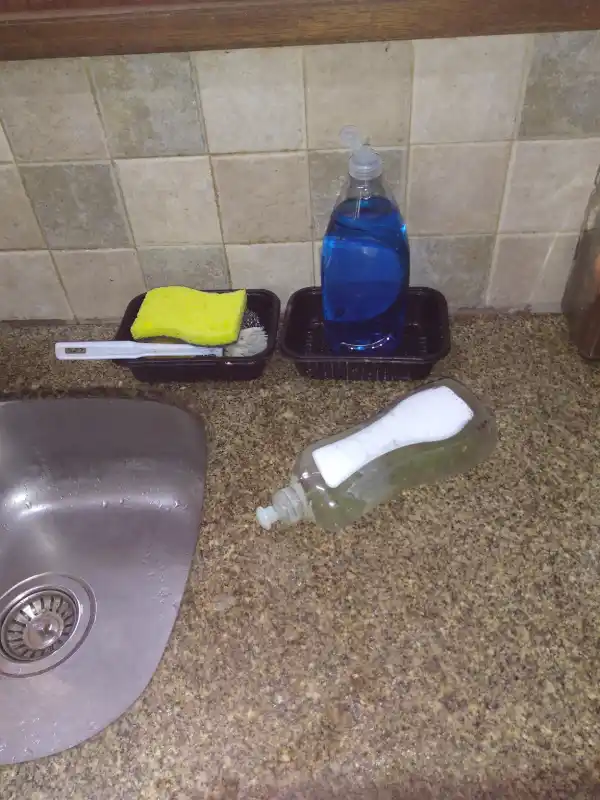
I can’t begin to tell you how long we’ve used the dish detergent container in the foreground, but it must be at least ten years. The new, blue stuff seems to be pretty good quality (some here is really watered down), but I bought it based on one criterion: the apparent solidness of the container. What else matters?
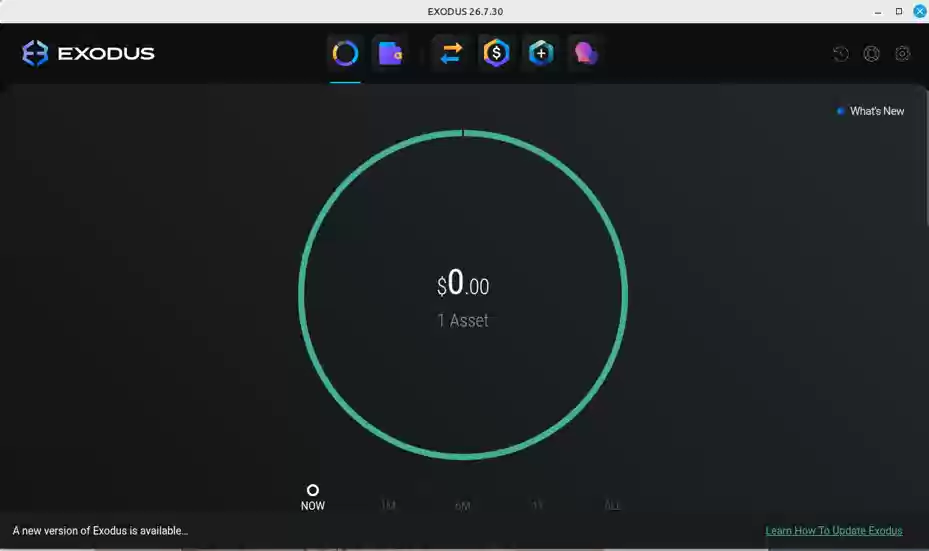
Doing some spring cleaning on my computer, I discovered a forgotten crypto wallet, so emptied it: $2.73 worth of Tron, $7.32 worth of Polygon (yes, 2.73 and 7.32 are the real numbers), and a whopping $64.55 worth of Ethereum.
The wallet was emptied. But wait – one asset?
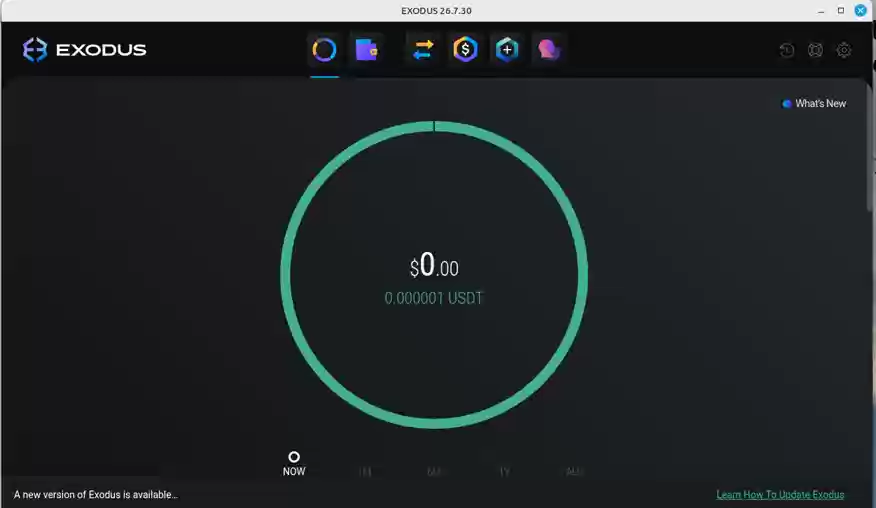
Yes, $0.000001 USD Tether: 1/10,000th of a cent remained. Delightful!
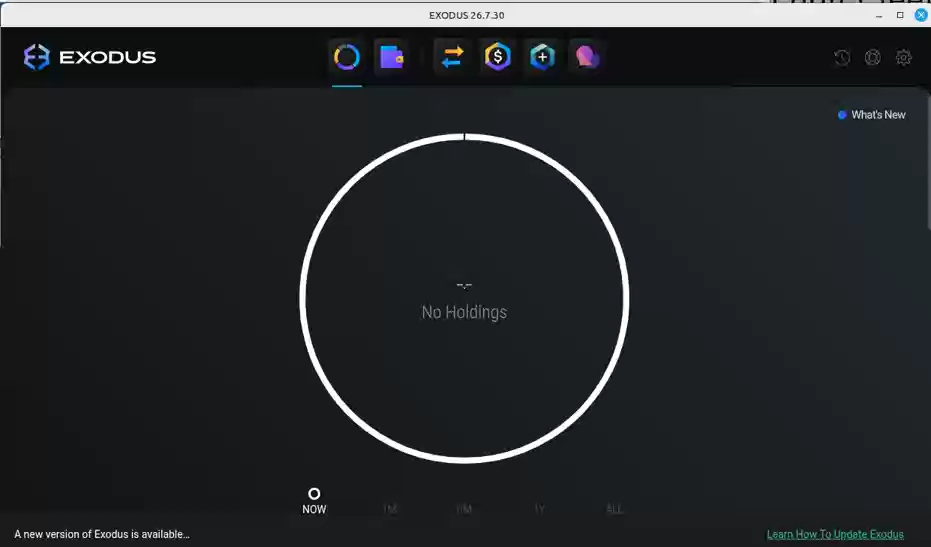
But when I reopened the wallet, it was gone! Just like that!
Oh well; easy come, easy go. The wild world of cryptocurrency.
We were watching The Station Agent (2003) when my sharp-eyed wife spotted something interesting. When Finbar McBride (Peter Dinklage) addresses an elementary school classroom on the subject of trains, a shot of the students includes books in the background.
One of which is mine, Draw Dinosaurs.
First published in 1997, it had sold 1,069,192 copies as of June 2009, 90% of them through rights (about that time our book sales had passed 10 million, and my interest in precise records faded). Our last printing of this title, 20 years and two days after the first, was a print-on-demand run of 350 copies, an amount far too small to be practical with the printing technology that existed in 1997.
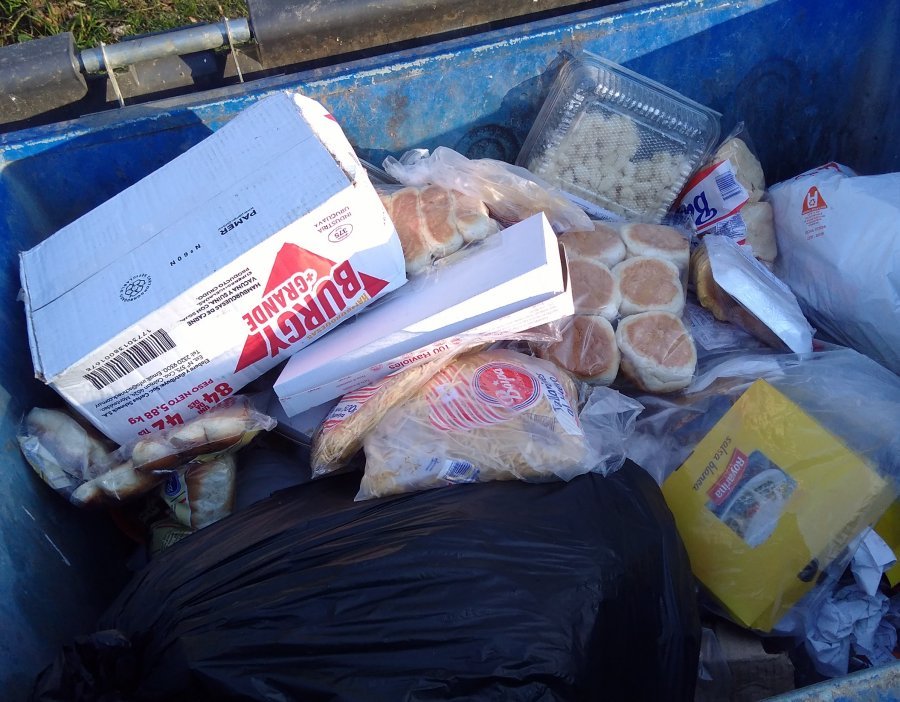
Second time I’ve seen that a food vendor stocking the mini-market next door decides to leave all his expirede product in the trash container nearby. Many of the products from Baipa, the very classy bakery in town.
I saw this the other day; didn’t investigate because the owner was inside watching TV. It doesn’t look like the work of a bird, but if it is, it’s quite remarkable.
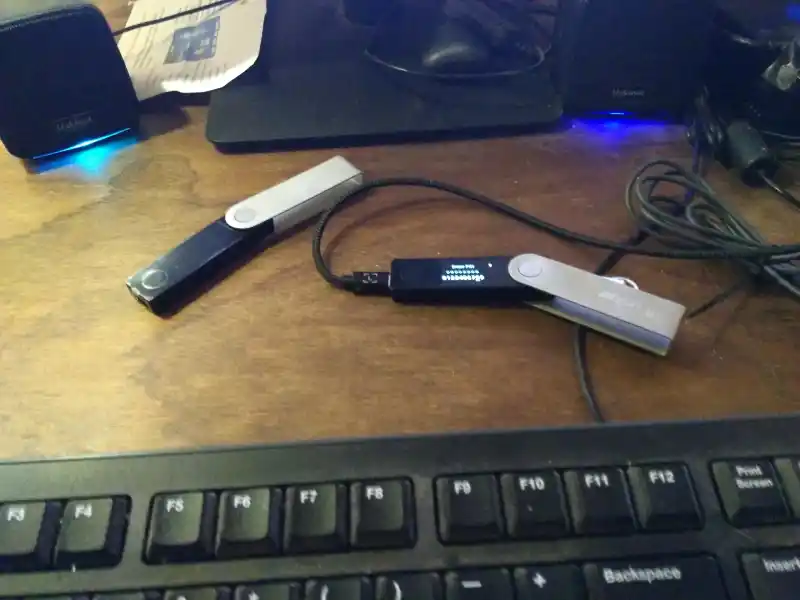
Ledger Nano is a cryptocurrency hard wallet. I’ve had one for several years, which worked fine…until it didn’t.
Suddenly it wouldn’t let me in because the device failed the “Is this a real Ledger Nano?” test.
After a lot of this-and-that with customer support, they offered to ship me a new one. Untenable, I replied, because of Uruguayan Customs fees and hassles.
We’ll handle all that, they replied. And they did: shipped a new $59 device from Paris via courier with no hassle on my end.
Except for one thing: the new one gave the exact same error message.
And suddenly I got someone in tech support who knew that there was a solution in Ledger’s own online documentation. He send me the link. One line of code.
No, I don’t know what udev rules are, and must admit I’m not entirely curious. But now I have two perfectly functional Ledger Nano S’s instead of one, the second for free Makes me think of the recent $1.49 dishwasher adventure.
I sent my photo to the Serpentario. The director replied that the cute little snake was in fact Xenodon dorbignyi, non-venemous and quite common, with a distinctive red curly bit at the end of the tail that presumably develops with maturity. We don’t see snakes very often, but this is the species we’ve seen the most.