Sprucing up

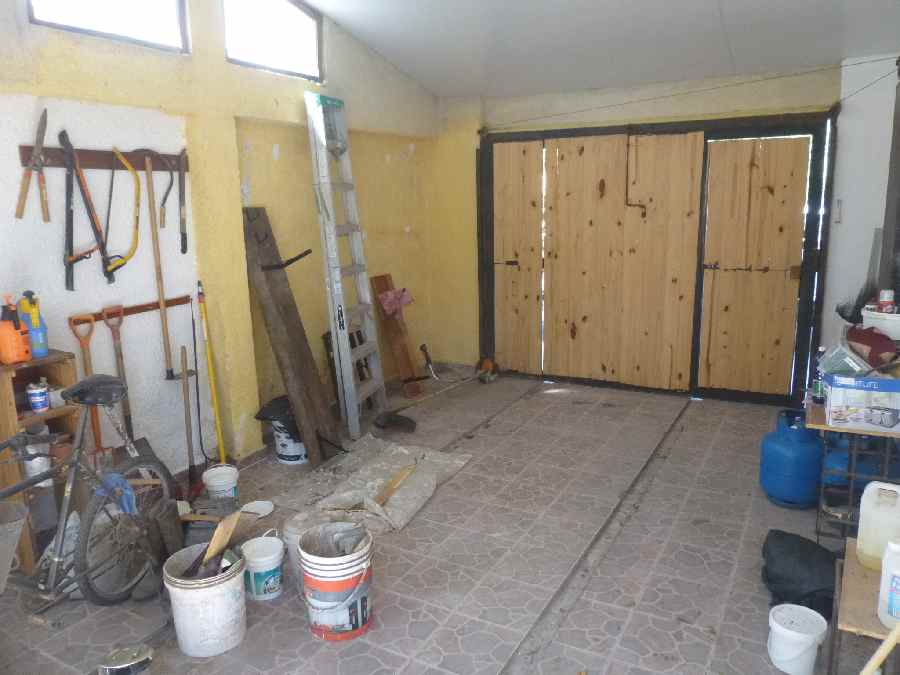
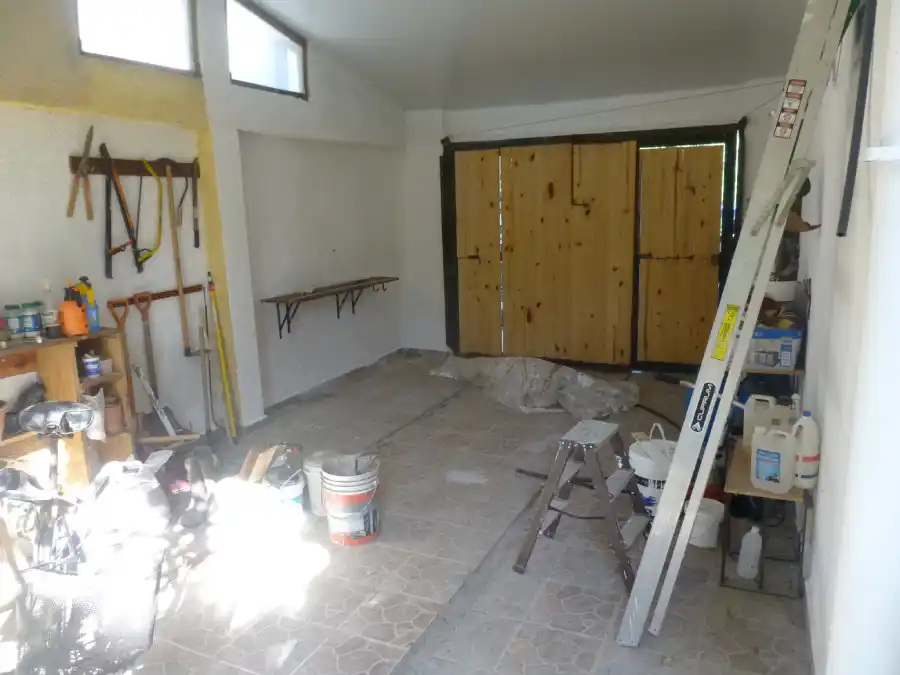
You could look at these photos and imagine that I was motivated to start painting the barbacoa (which would be a parrillera if still open-sided, but we closed it in) simply because it needed to be spruced up a bit. Just a bit.
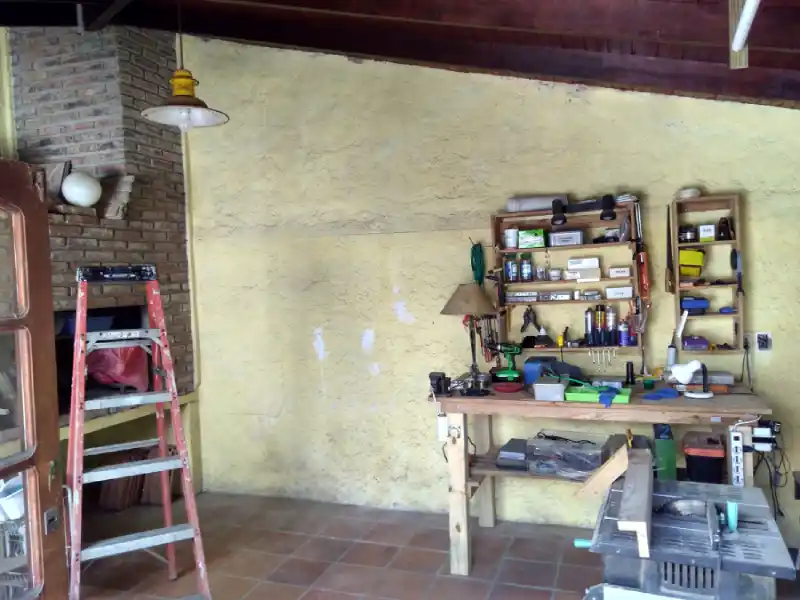
In fact, a major motivation was the need to use paint. I bought 20 liters to do the interior of our little house in the country (for sale!), and discovered I could get by with touching-up, leaving me a lot of interior paint in search of a purpose.

We’re in an odd stretch of almost-summery weather, when pressure-washed walls—yes, they need it—dry relatively quickly. So, next: the complete dismantling of everything on the right side (ugh).

And I hate storing almost-empty almost-dried-up paint buckets from jobs done years before.
How the pros do it (paint)

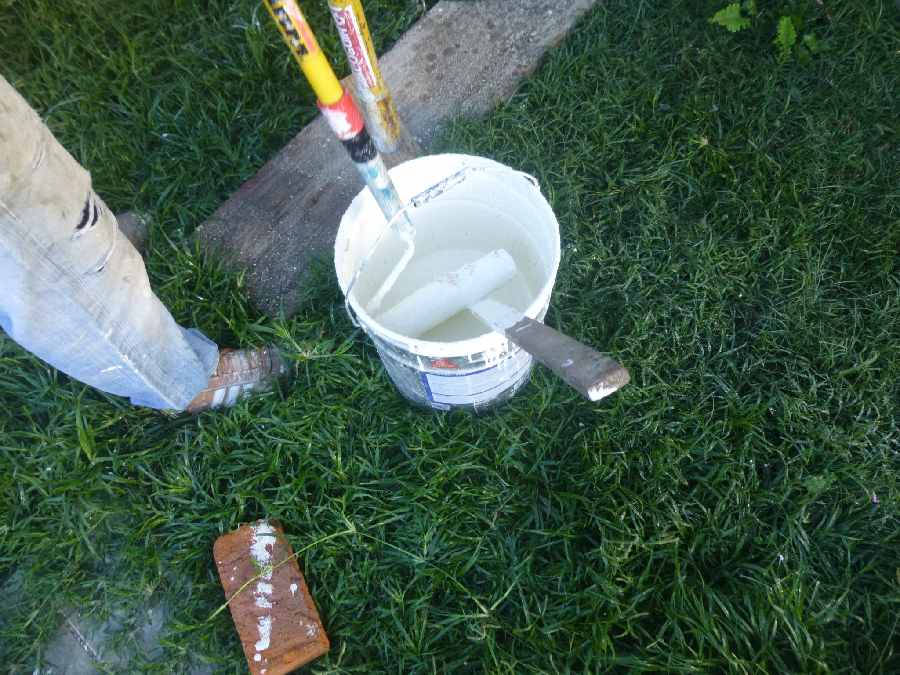
After struggling with a paint tray—where do you put it so you won’t step in it or knock it over? How do you get paint on the whole roller, instead of just one side?—I consulted the guys painting the front of our house.

Simple, if not exactly easy (bit of a learning curve): use 20-liter can and a piece of wood.

Armed with that knowledge, I tackled the next part of our cochera (carport).

Definitely more efficient. As for my work, the usual: not perfect, but not bad.

Maybe, finally…?

In the Faceborg Uruguay “Experts” (Expats) Community group, people complain bitterly about substandard crap sold here. And they’re right. Recently it was vacuum cleaners that last two years before burning out.

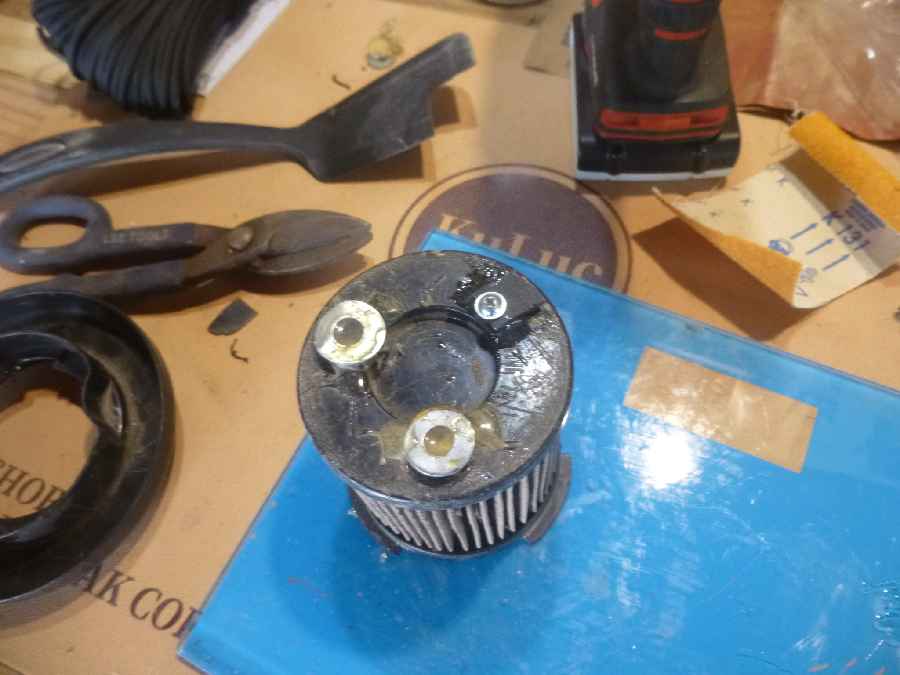
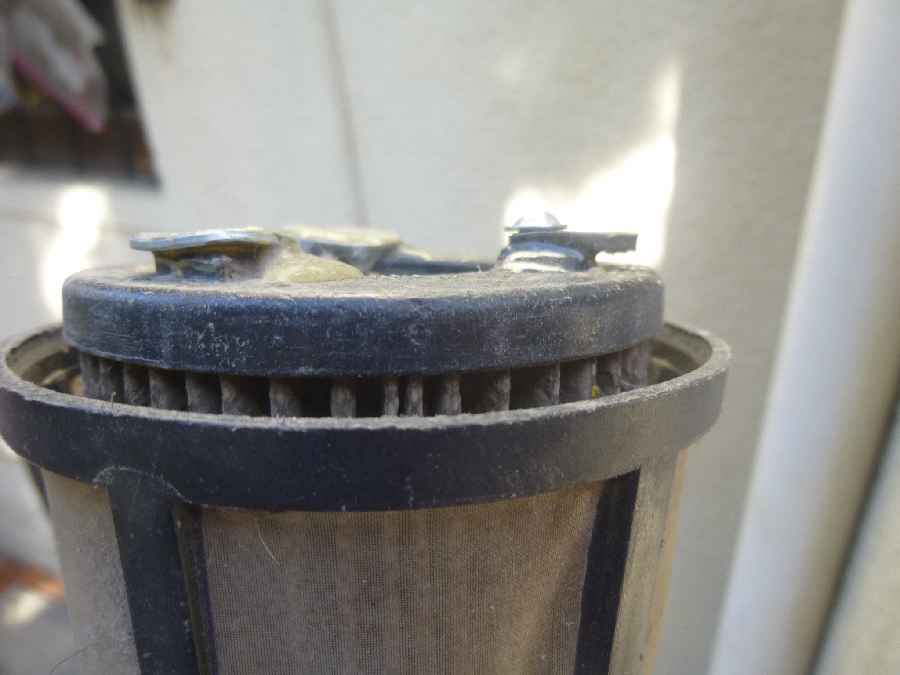
However, that is not us in this case: our Electrolux has been going strong for 15 years—with one exception: the filter cartridge, with three little plastic tabs/flanges that secure it in place. One by one they broke. Only belatedly did I discover the reason: my slamming the thing against the top of the trash bucket to shake dust loose.

My original solution involved epoxy and metal washers, but eventually they fall off. I don’t know why I avoided a more invasive approach, but I woke up one morning recently realizing that a mechanical attachment was the answer. A screw. Because there are a gazillion types of plastic, it’s unlikely I’d find a glue that will actually keep everything together. The screw will, and a little epoxy will prevent shear, i.e. twisting.

What to use for material? See top center of the photo above. This is why I don’t automatically get rid of things like a cheap plastic kitchen spatula that was left in the house when we bought it.

Its thickness turns out to be perfect. So, now to replace the other two?

Nah—if it ain’t broke, don’t fix it!

¡Hecho!

You may think you are looking at a rusting dishwasher that has been used mainly as a drying rack for the last 15 years, and is now useless, since the control panel no longer works and water from wet dishes can’t be pumped out.

But, after a more thorough disassembling than was really needed, and some rewiring, it has now become a rusting 15 year old dishwasher with only one function: the on-off power button now turns on the water drainage pump.

And nothing else.

Yea!

Nice legs!

14 years ago, we had a New Year’s Eve party in our parilla, which we had turned into a barbacoa by enclosing it. 10-12 people, and LOUD! Unbefreakinglievably LOUD in that little, masonry-walled closed-in space!

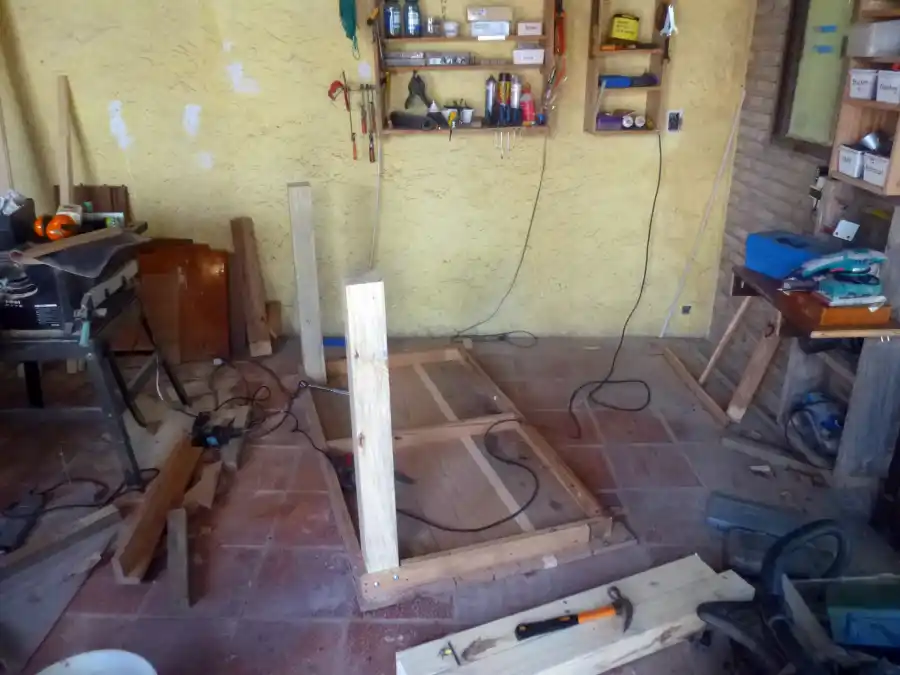
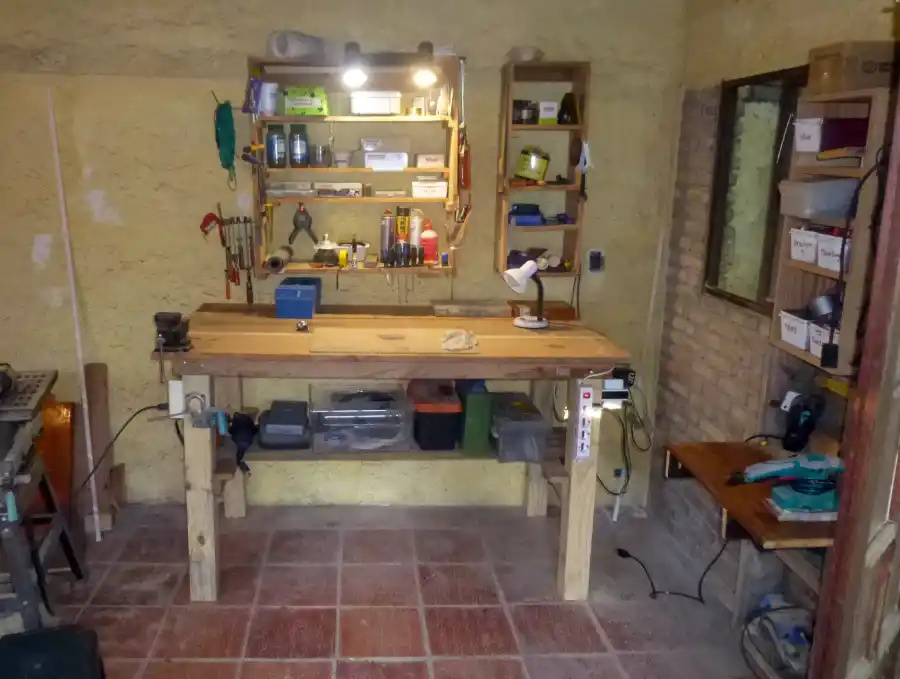
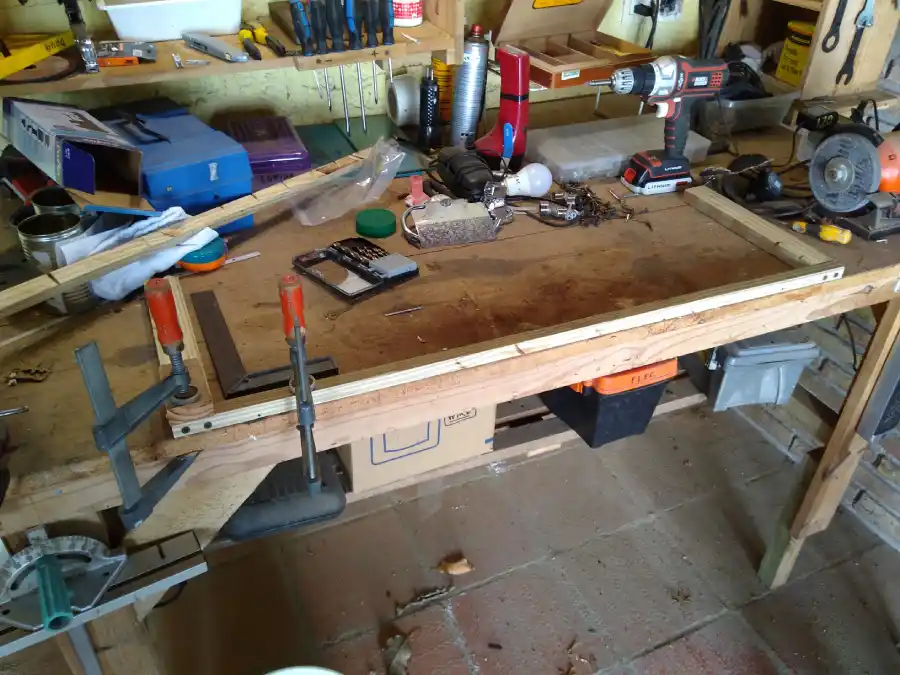
So I decided it would work better as a workshop, and added bits of 2×2″ wood to the L-shaped legs of the dining table I had thrown together for the occasion, raising it to workbench height (you can see remnants of legs lower left).

A few days ago I bought some mostly-clear 4X4″ pine, cut to length, and a 1×2″ strip to create a better overlap on the top front for clamping, and 8cm lag screws (imagine – not just smacking it together with nails as I did before!).

Finally, sturdy support for the workbench.

But it raises a significant question: Why didn’t I do this (at least) 12 years ago?

The birds

Last couple months I’ve been spending some time with the little fixer-upper house in the country which we thoroughly redid eleven years ago, briefly lived in a couple times by others, but otherwise gradually regaining its fixer-upper status. as poorly-built structures in the country tend to do.

The last time I had been there, I was painting the rejas, or metal bars over the windows. This time I noticed bits of organic matter in the kitchen sink.

Looking overhead, I saw more in my overhead light fixture.

And more in the refrigerator.

Whatever birds they were had either not gotten very far, or were frustrated with the inadequate environment. Which is good. Nesting birds inside the house just doesn’t seem like a desirable thing.

Of course I made a note to myself: the next time you open all the windows and screens in the house for painting or cleaning or whatever – close the damn things before you leave!

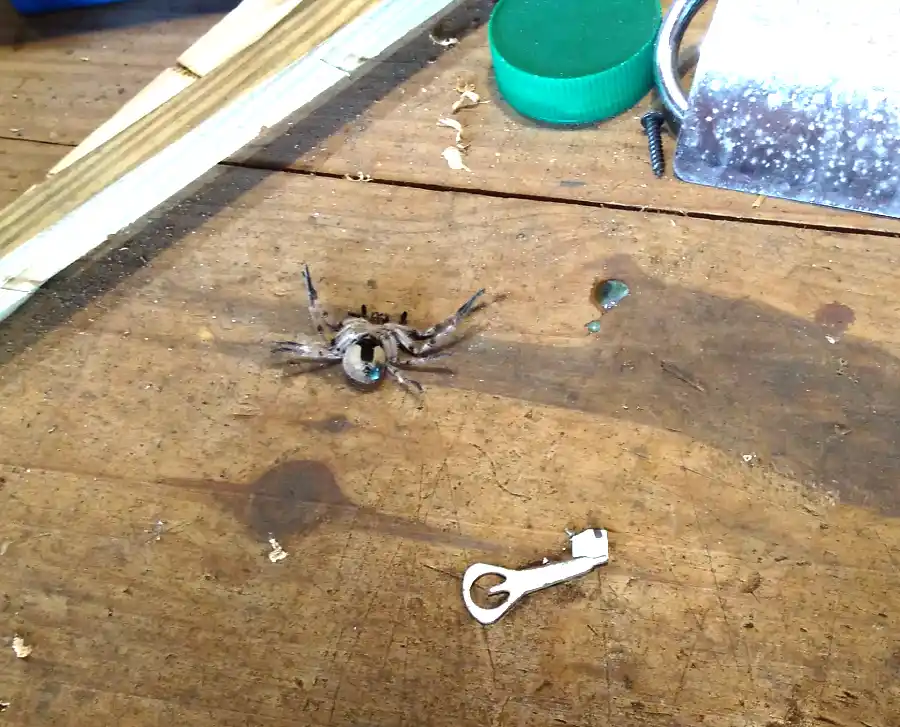
Spider on the workbench. Why?

Our house guest complained of mosquitoes in the casita (little house) so I had to clear space on my horribly cluttered workbench to slap together a screen insert for the window.

In which process I discovered a rather large, upside-down, and pretty-much dead spider. No idea how or why it got there, nor what killed it.

I think spiders are cool, but yuck.

The would-be birdbath

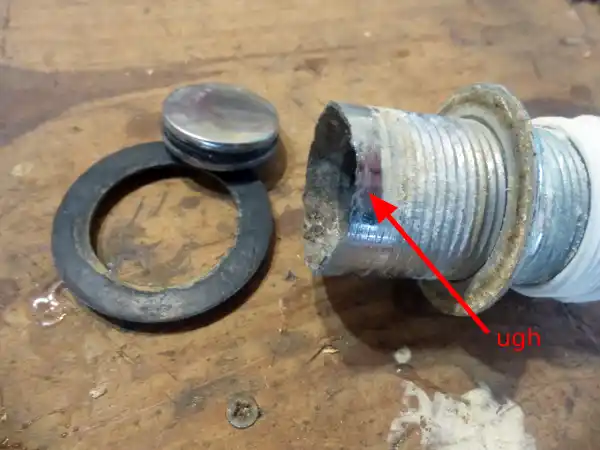
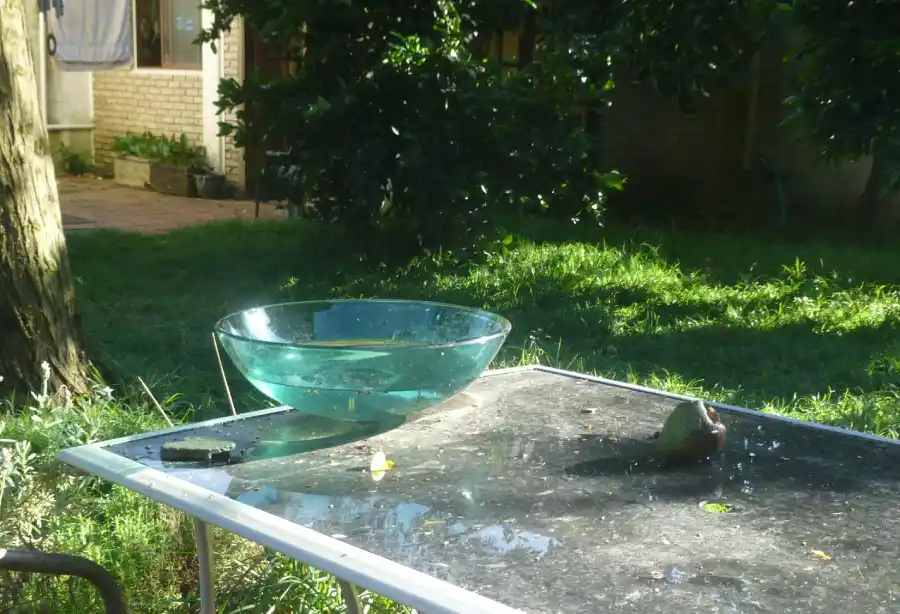
In my account of tearing out my bathroom furniture, I didn’t mention the glass sink that was attached to it. I didn’t have with me large enough pliers to remove it, so as soon as I got back, even before removing the whole thing from the car, I set about and…clink! The glass sink removed itself.

After 15 years, the connector couldn’t handle the shear stress when I turned the cabinet on its side. Well, I thought, that is not exactly a replaceable piece of hardware. So what to do with a round glass sink? Birdbath? But how to plug the hole in the bottom? Things to think about later. For now, just park it on the table outside.

And then it rained.

Problem solved?

Actually, no: the sides are too steep for a bird bath.

So what do we do with it?