Blueberries!

blueberries

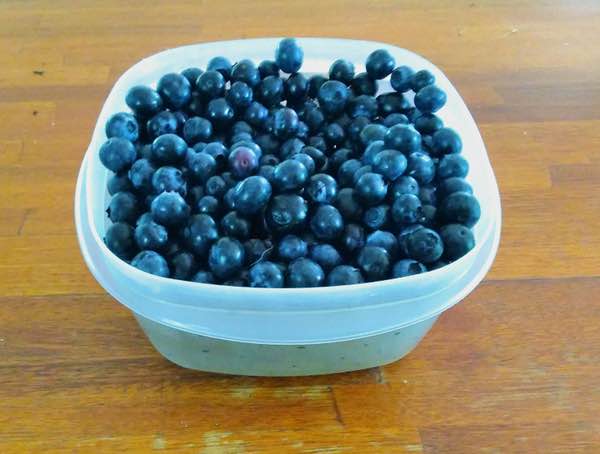
Though a week ago Saturday was the first public blueberry harvest, we didn’t get notice in time. I went yesterday. The number of bushes is down radically from a year ago, but fruit is abundant and I managed to pick 2.5 kilos fairly efficiently.

The price has gone from (pesos) $180 to $250 per kilo, or +39%.  One dollar buys about 14% more pesos than a year ago, so in dollar terms the price has increased 22%, double the rate of inflation (that I assume). So, bottom line, USD 3.44 per pound. Most places in the US I found online are under $3 per pound. So, like most things in Uruguay other than property tax and medical coverage, not cheap.

But delicious!

And then, consider what they cost at the supermarket. Over USD 2 for a small fraction of a kilo. These plastic containers are about 3 x 3 inches. I eat that many when I pass by the bowl on the kitchen counter!
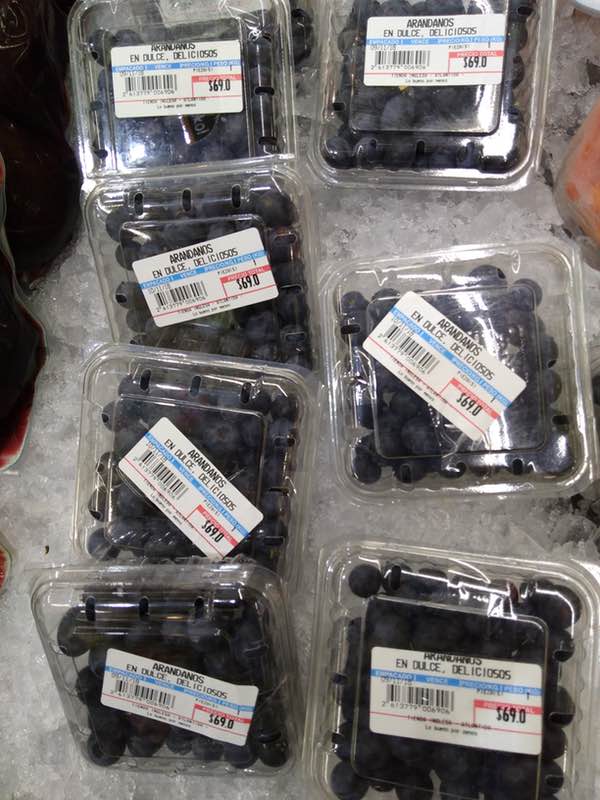
blueberries at supermarket

If you’re in the area and want instructions to get there, let me know. I’m guessing this will be on for three more weekends.


A little background: blueberries (arandanos, the same word used for cranberries, which are not available here) seemed to become trendy around the time we got here (late 2009). But unlike other kinds of fruits, blueberries are only good for a very short period of time. They can be frozen, but when thawed these have a mushy texture and much less taste. Given the short time window, commercial buyers can basically pay whatever they want. Or worse. The first year Pilar (the owner) had a harvest, an Argentine buyer took the whole crop. Literally. Didn’t pay a dime.
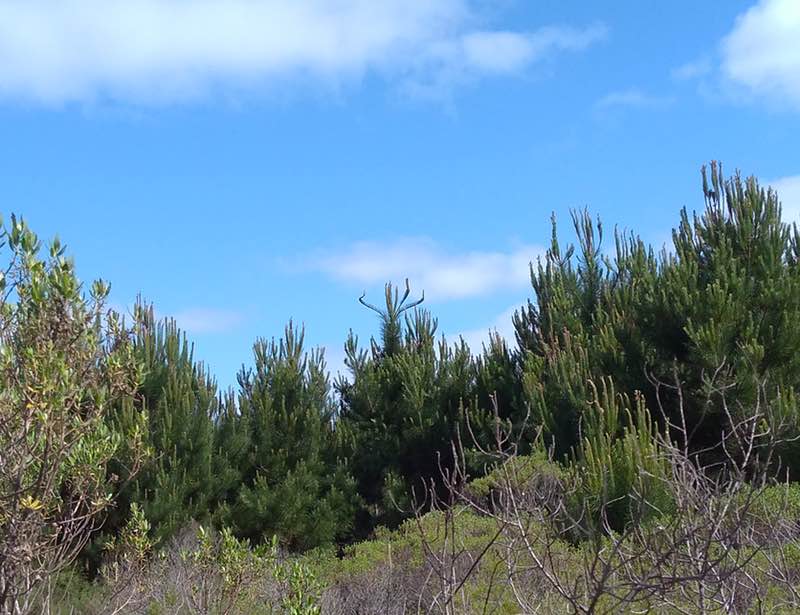
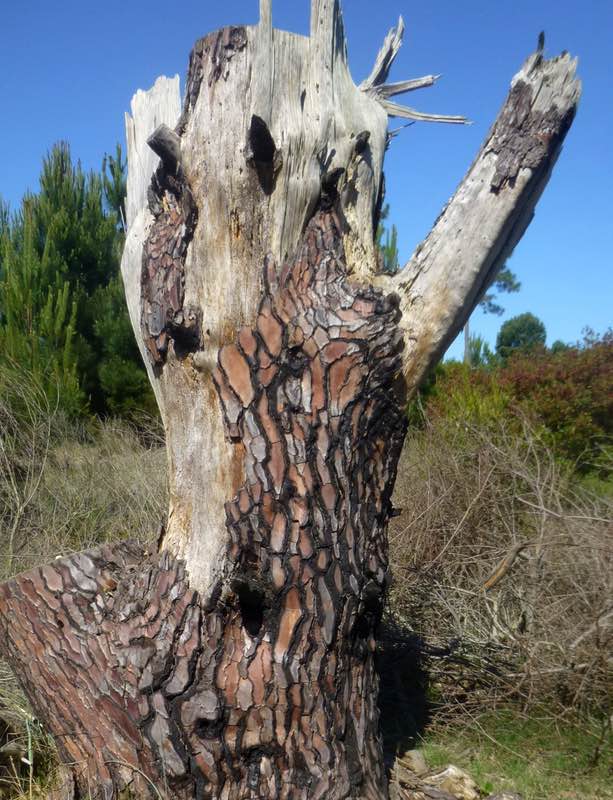
The nonconformist tree

We were remarking on the extraordinary new growth on the pine trees a few days ago, when I spotted this, a pine whose new growth looks like an upside-down office chair.

odd new pine tree growth

I’ve been watching a couple days now for another example, but haven’t seen one.

What do you suppose “inspired” it?


The last palta

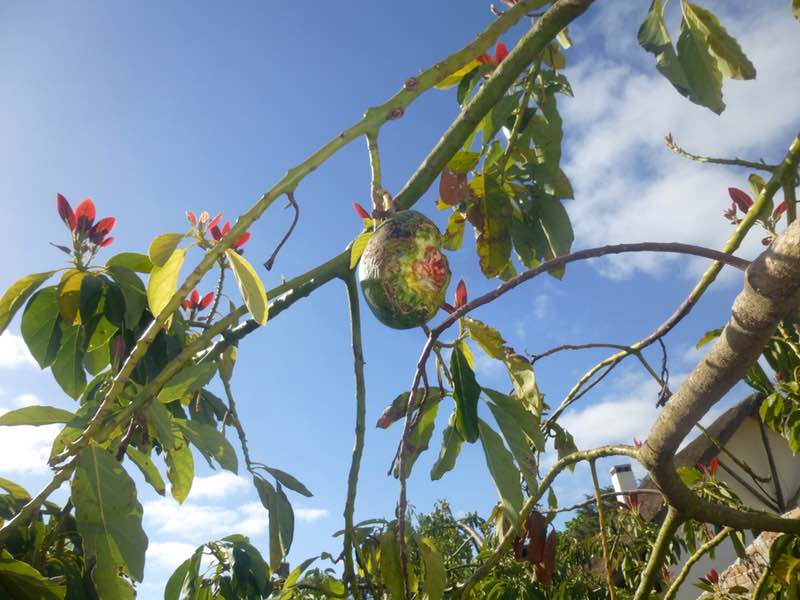
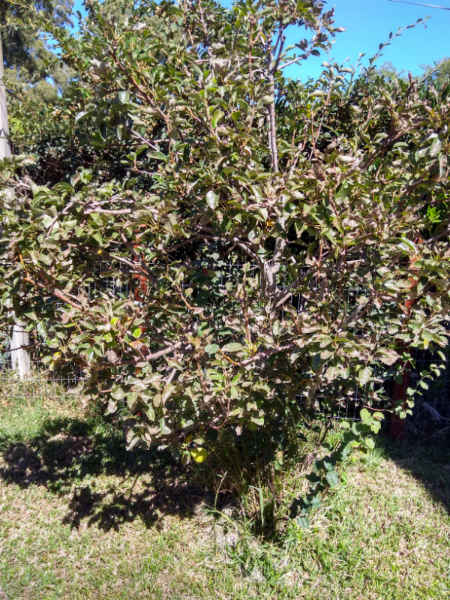
I blogged about the last avocado on the “big” tree a short while ago. Seeing the new red leaves sprouting, we both got the feeling that the “little” tree was ready to be fully harvested, so today I scampered up the ladder and removed the last dozen or so,none of which is particularly visually appealing.

And I find this quite interesting: the last avocado (because I left it there) has been eaten on the limb, the first time (happily) we’ve seen this.

Half-eaten avocado in tree, Uruguay

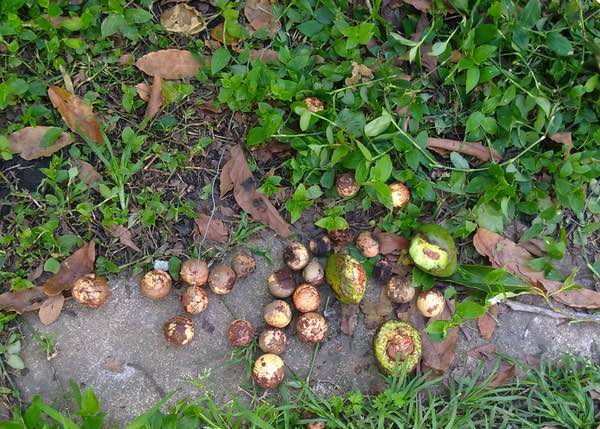
Likewise, as with almost every day the past few weeks, there was another half-eaten on the ground. I left that in place as well, for the critter/s to continue their end-of-season feast.

The end is nigh!

At least for paltas (avocados) in 2018. I took the last three off the “big” tree, including one that managed to remain hidden and is undoubtedly the record-holder for this year’s crop:

big avocado

858 grams, or for those of you in Myanmar, Liberia, and the Untied Snakes:

big avocado

1.892 pounds. Or 1 pound 14.271999979939547 ounces. Or if you want full ‘Murkan, 1 pound 14+34/125th ounces.

6-1/2 x 4.25 inches / 16.5 x 10.8 cm.

I decided that the overgrown nature of our yard needs to be addressed, and in doing so discovered the extent of the comedreja’s (possum’s) raids.

avocados consumed by possum (comedreja)

The tree above this pile still has 30+ smaller avocados. It’s fun to remember two years ago, when our total harvest was 30+ avocados, and the comedreja getting one was devastating! This year we (and friends) have had avocados for almost seven months!

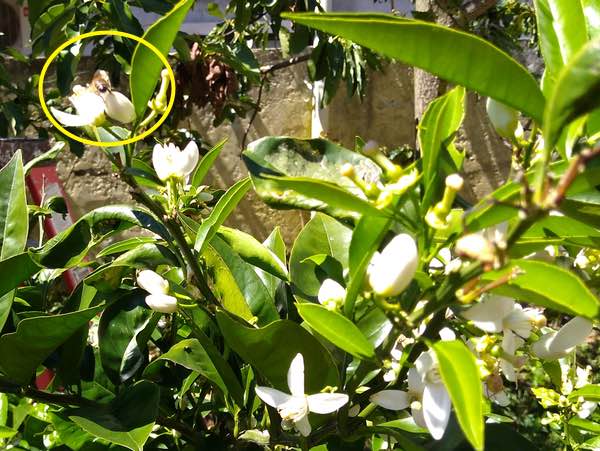
Meanwhile, both small orange trees are laden with flowers. Not very many bees, but some, and doing their job. Hopefully we get more than three oranges next year.

orange blossoms and bee

Taking down a tree

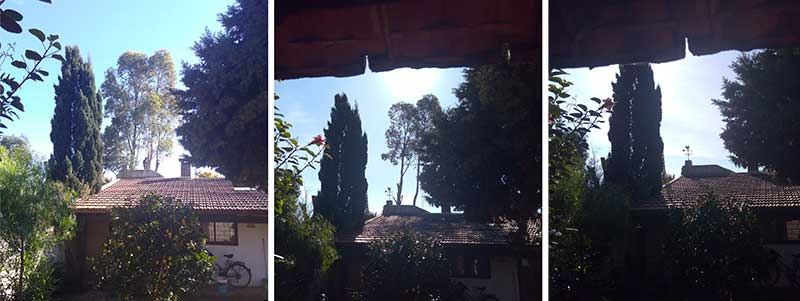
This is time of year, the sound of chain saws is quite common. But a couple days ago, I hadn’t figured out that something more interesting might be going on until my wife spotted a guy with a chainsaw high in a tree. Only once have I topped a tree as part of felling it, but it was a pine, nowhere near this size, and swayed like crazy after the top fell. And I did it with a bow saw – no way was I climbing up a tree with a chain saw!

cutting down a eucalyptus tree, Uruguay

So here’s this guy up a 15-meter (I presume) ladder. All rather impressive. Listen for the guy on the ground yelling ahora! (now!).

I hired tree people a couple times when we lived in North Carolina. We had a lovely old spreading oak that needed thinning. The tree people – who worked at the Augusta National Golf Club – said they never use ladders, but only free climb, and also don’t wear spiked shoes, in order not to damage the trees. Quite spectacular to watch!

No worry about damaging the tree in this case. Also, being eucalyptus, it will regrow. And regrow.

Unlike the last time, this does not affect the sunshine we receive in our yard.

Of paltas and comedrejas

The other night, quite late, I let the dogs out to the back yard and a huge uproar. Grabbing the flashlight, I saw a “dead” comadreja (possum) on the grass. (“Dead:” of course it was gone the next morning.)

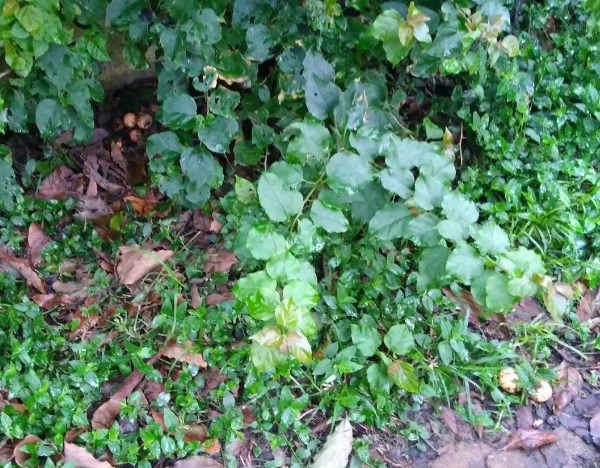
By daylight, I noticed something near one of our two very prolific (this year, at least) avocado trees.

Possum damage to avocado harvest

Look to the top left and lower right, and you’ll see what look like mushrooms, or eggs, or – you guessed it – avocado pits.

Today, under the other, which produces larger fruit, I saw more evidence of recent activity.

Possum damage to avocado harvest

That avocado skin in the foreground measures 5 inches (12.7 cm) from end to end – a serious guacamological loss.

The first tree drops fruit; this one doesn’t. Since possums are very adept climbers, I suspect this represents an unauthorized harvest.

Possum damage to avocado harvest

Which is perhaps the reason I have had little scraps of fence wire hanging on the garage wall for so long. I don’t know if this will work, but the critter will have to navigate points of wire at the top, and the boards should make it difficult to get right next to the trunk. We’ll see.


If you’ve spent time in Uruguay, you may have noticed an abundance of parrots. They are quite charming until you plant fruit trees, and you find them taking a few bites out of each pear or fig.

One person told me that there weren’t always so many. It seems that the rapid increase in eucalyptus and pine planting in the past 30-40 years has given parrots very tall trees for build their nests – above the range of possums, who presumably like parrot chicks and eggs in addition to avocados.

Lines in the sand

The few hundred acres of scrub bushes and pine trees we where we walk dogs has little in the way of stunning beauty, and sometimes glaring examples of human ugliness, but it does not have thousands of people like the beach.

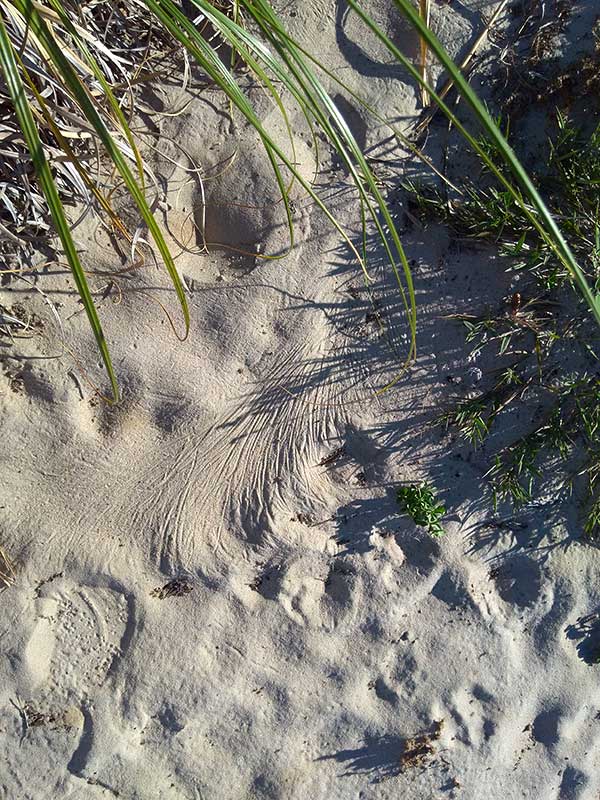
And it almost always has fascinating little discoveries, like these lines in the sand.

grass, sand

They must have been caused by wind and the grass, but how exactly they managed to make those outward curves was not at all clear.


Expo Cannabis 2017

Uruguay “sort of” legalized marijuana at the end of 2013. Being a place where free-market is generally considered a bad thing, and government somehow a creator of wealth, the experiment has proceeded with predictable ham-fisted bureaucracy. The government controls all production, licenses growers and buyers, limits the amount they can buy in a month, etc. At present there are maybe 16 pharmacies (all in Montevideo AFAIK) where one can buy marijuana, and they have had their bank accounts closed because of the ham-fisted and arrogant United States federal government. This echoes the contradiction between state and federal laws in the U.S.: marijuana is legal in California and Nevada, but if you transport it across the border you’re committing a federal offense.

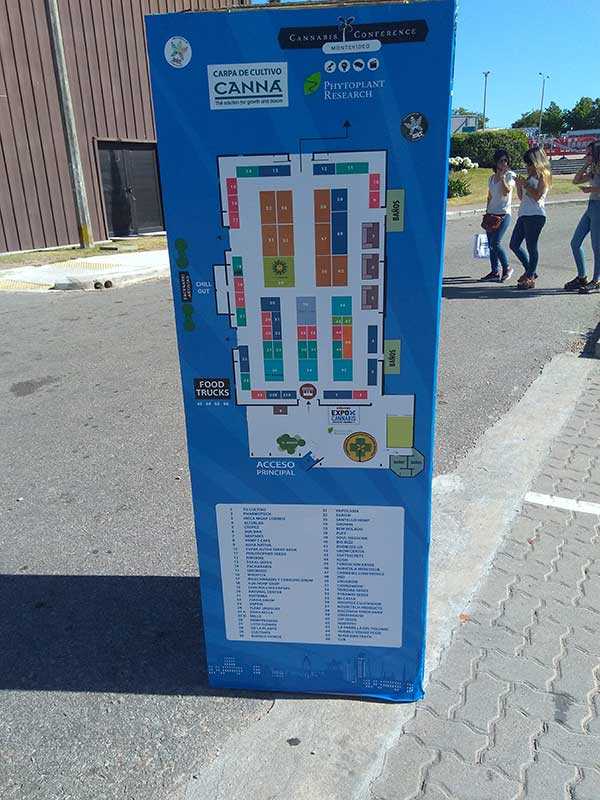
However, there is good news: Hemp Planting to Triple in Uruguay. And the Expo Cannabis has gone from rinky-dink three years ago (according to Syd) to quite impressive.

Expo Cannabis 2017 display map

As you might guess, most of the crowd was younger than yours truly.

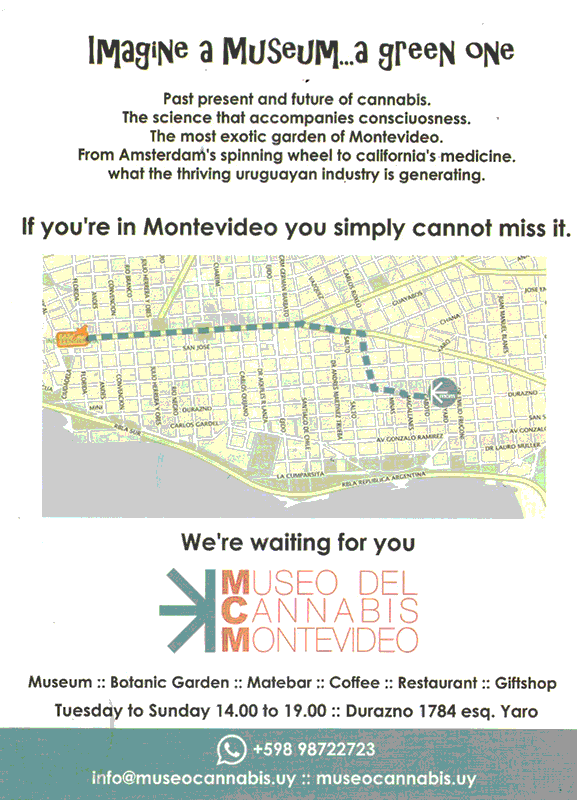
The first display inside the door showed a variety of products including hemp oil, and dog care products that Syd really wanted to buy. Not for sale? It took me an embarrassingly long time to realize the display was for the Museo del Cannabis Montevideo.

Flyer for Montevideo, Uruguay Cannabis Museum

Nearby, a display of plants.

Examining marijuana plants, Expo Cannabis in Montevideo, Uruguay

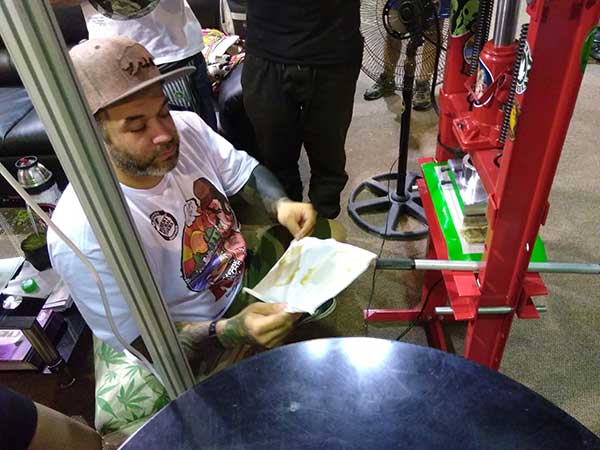
We quickly noticed a number of booths had hydraulic presses. We were a bit mystified, then watched a demonstration of extracting cannabis oil with heat and pressure — far safer than using toxic solvents, which then have to be boiled off.

Extracting cannabis oil

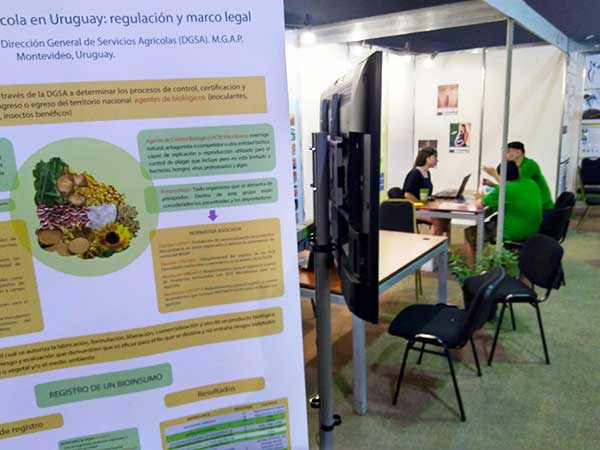
Many booths were selling seeds and growing apparatus, and the government was there with a booth where you could register with the authorities. Several booths centered on medicine and healing, as did a number of the presentations/panel discussions.

Uruguay marijuana sign up

I started asking questions about seeds when I saw “AUTO“ in some of their names (autofloreciente). Fascinating stuff.

handouts from Uruguay Expo Cannabis 2017

My only regret is that I didn’t ask more questions, because in the car on the way back, discussing what we had seen, we had plenty more.