
Artichoke flowers. I would rather have seen artichokes on sale, but since I’d never seen an artichoke flower before, this was a sort of compensation.
An inquisitive old fart with a camera
General observations, generally during dog walks
Artichoke flowers. I would rather have seen artichokes on sale, but since I’d never seen an artichoke flower before, this was a sort of compensation.
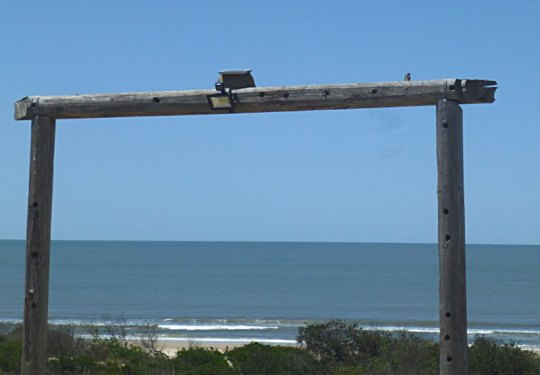
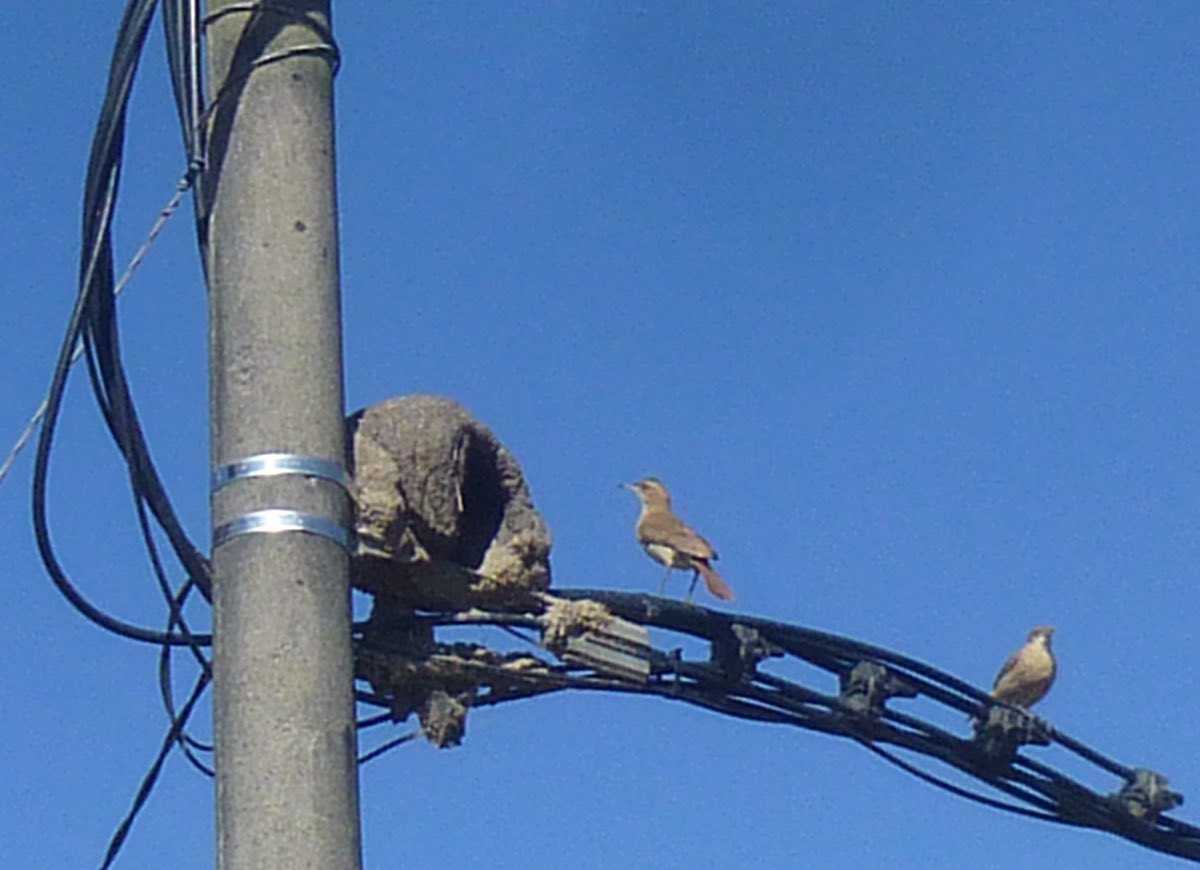
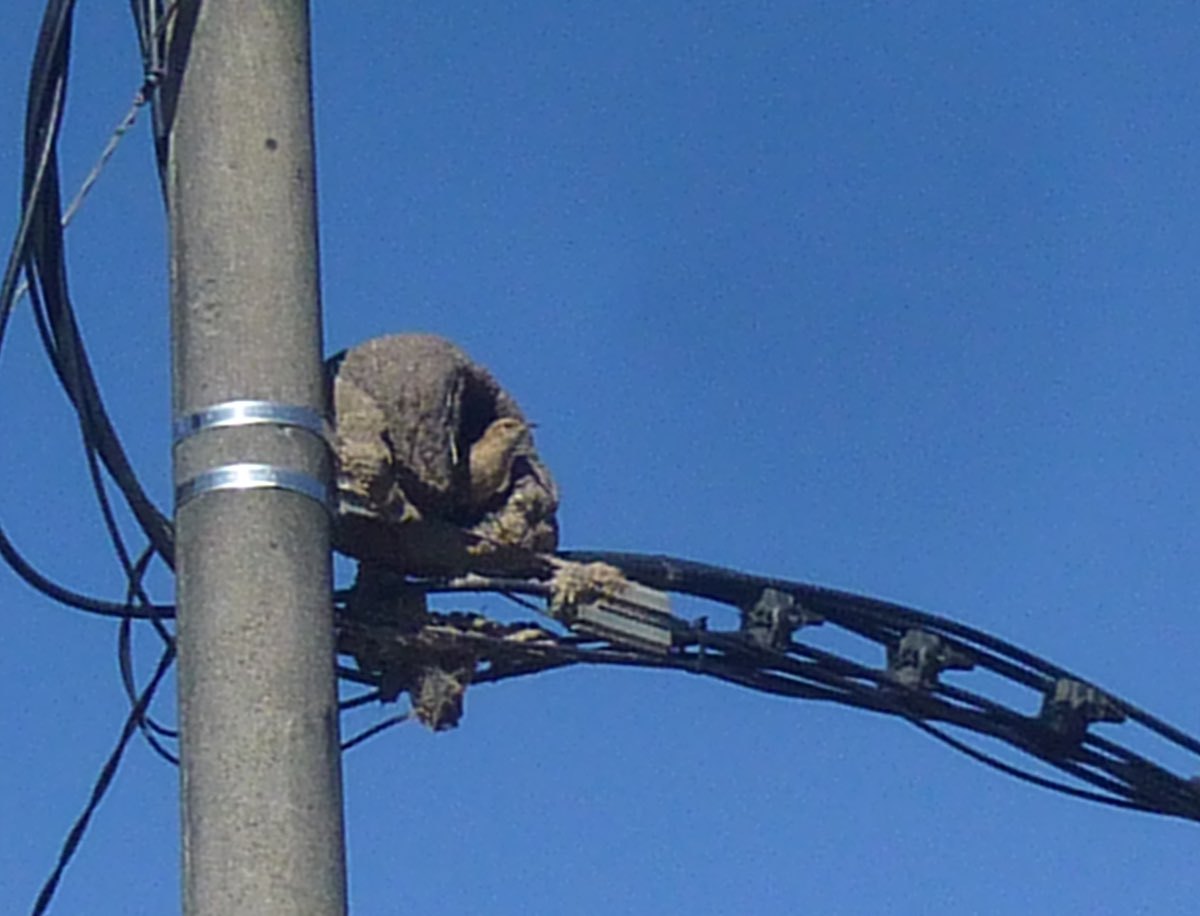
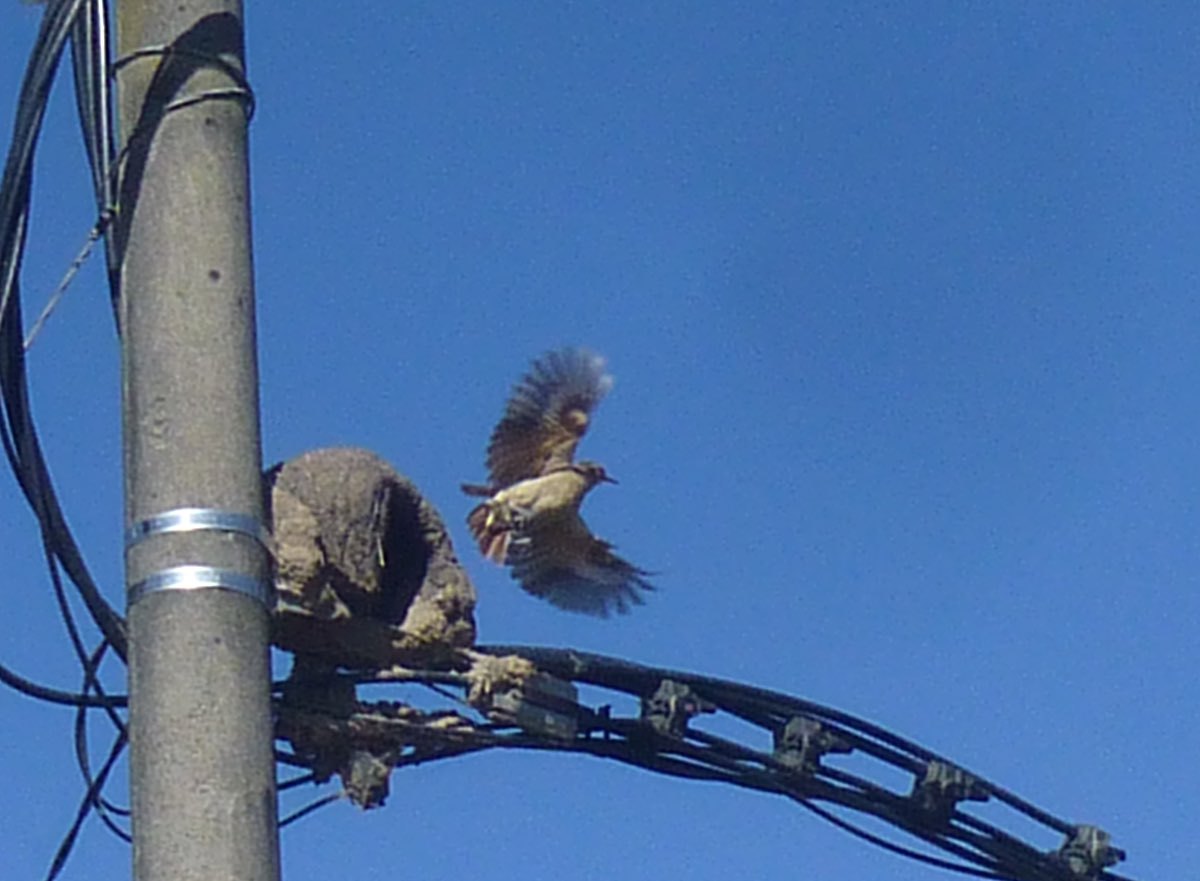
At a beach entrance in Marindia, you can find one of the ubiquitous mud Hornero nests. Hornero means baker, and they are so named because their nests look like traditional mud ovens.
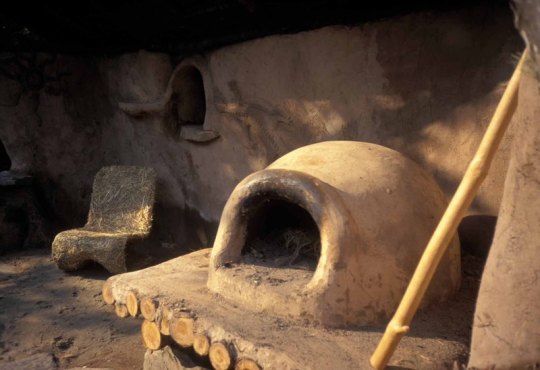
You know, like this. (Photo source)
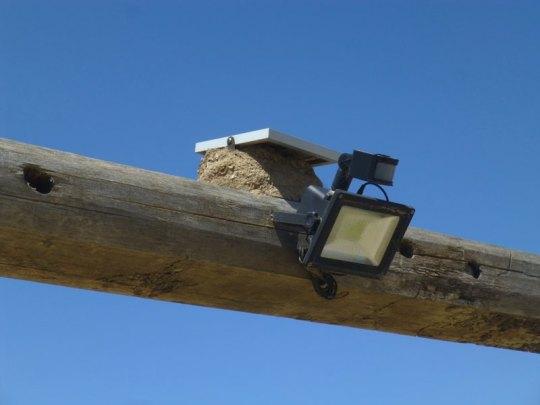
But if some humans want to help and provide a ready-made solar-panel roof, well, so much the better.
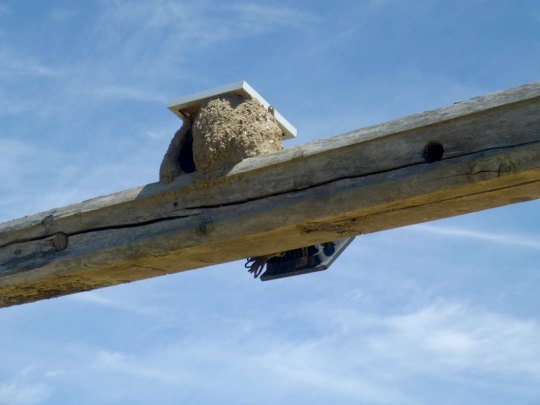
The entrance to the nest faces the beach (ESE). I was told once that the birds build their nests with the opening facing east for the morning sun, but I have seen them facing several directions. The same person told me that was because they have become disoriented since the advent of cell towers.
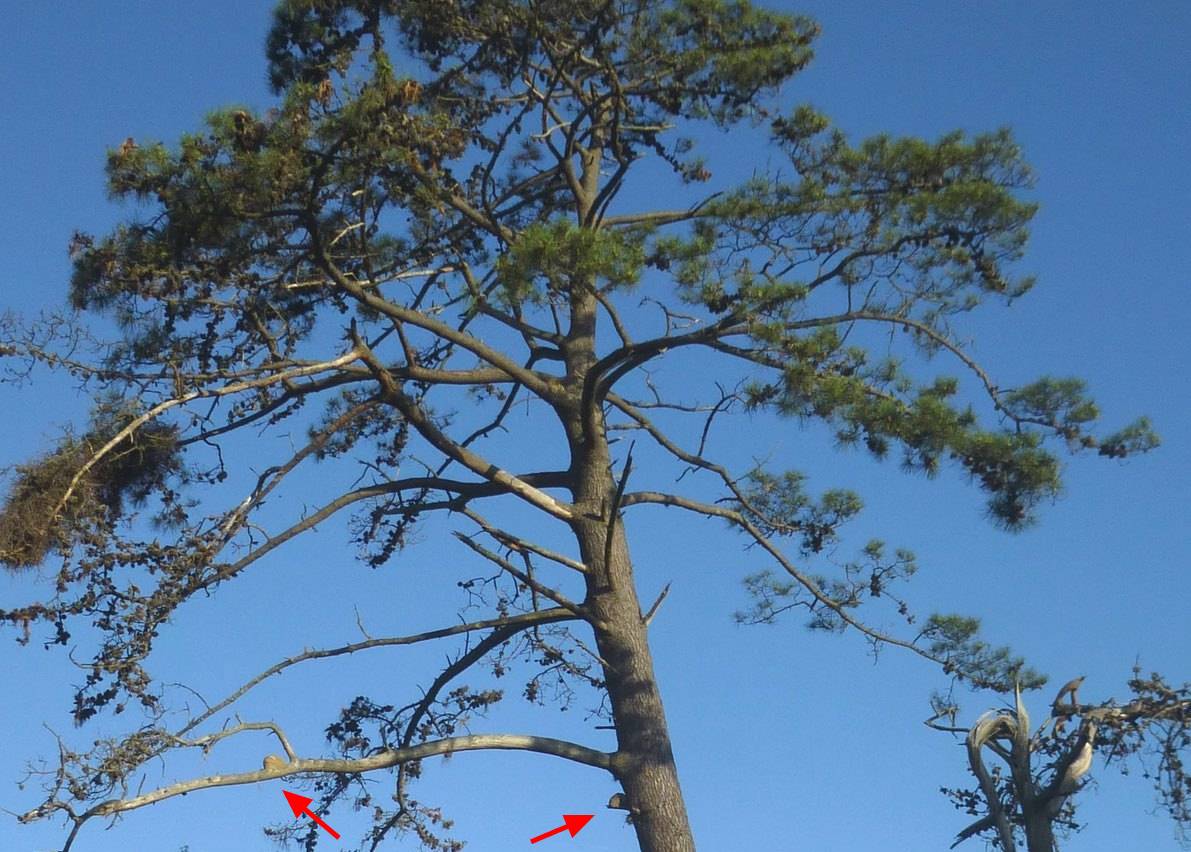
The immense pine tree that I’ve been expecting to fall in every storm of the past eleven years. Not one, but two hornero nests – bottom branch and stub of a branch below it.

Southern Lapwings (Tero Comun, Vanellus chilensis)

The beach as the weather turned this afternoon. Alántida, Uruguay.

Beginnings of rain as we left.
Stork says, “That’s close enough for you, buddy.”
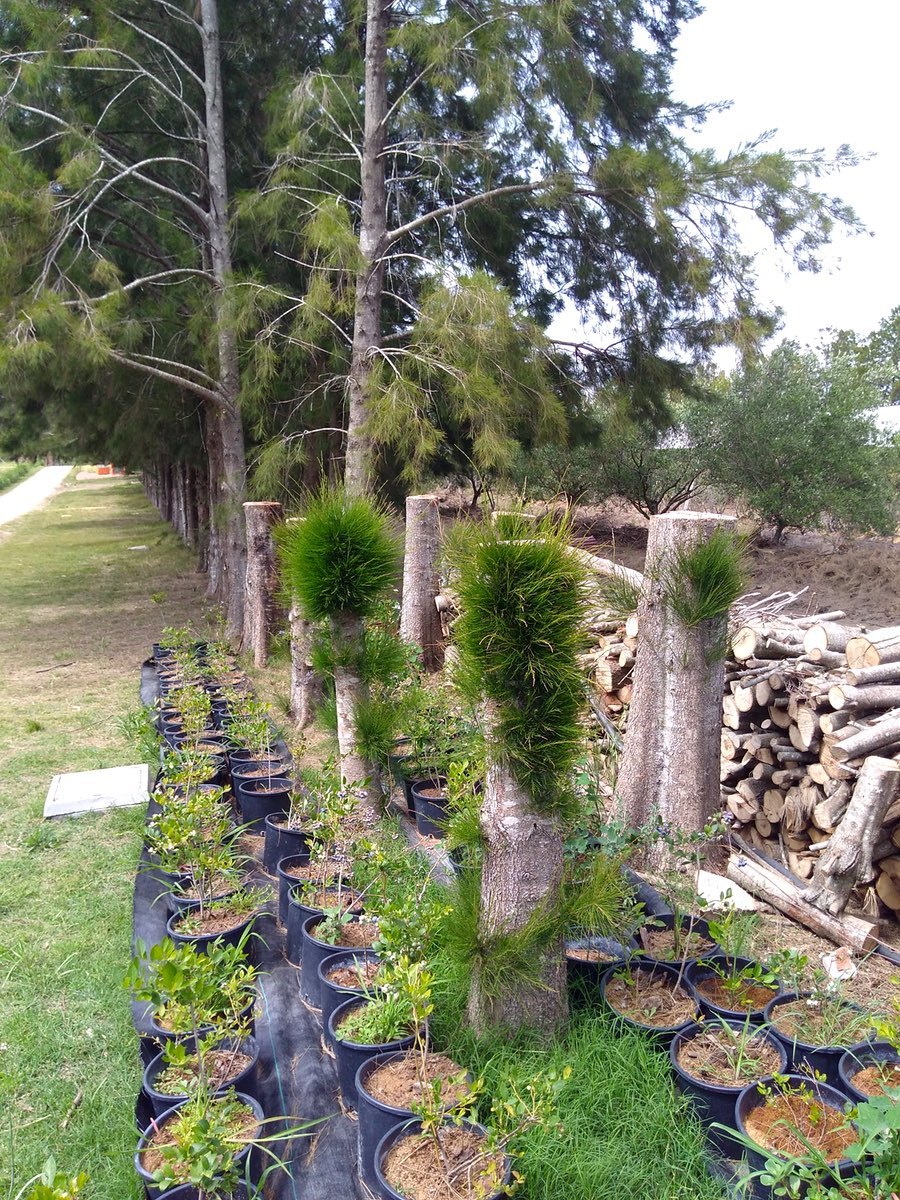
Casuarinas are visually unimpressive trees used here for windbreaks. They look as though they should be like pine trees but, unlike pines, they will regrow if cut. However, only if not below a certain height….
This short sequence gives me an idea as to why this particular lizard is missing half its tail. Not the sharpest knife in the drawer.
My other lizard encounters:

Evidence of the drought in Uruguay showing up in trees I see from our upstairs patio.