
Taxi, airport: La Paz, Bolivia.
Hopefully I will have freetime and decent internet next short while to catch up on other notable observations.
An inquisitive old fart with a camera
Taxi, airport: La Paz, Bolivia.
Hopefully I will have freetime and decent internet next short while to catch up on other notable observations.
300 vertical meters above Cusco, Perú, a stone wall. A big stone wall. One of many.
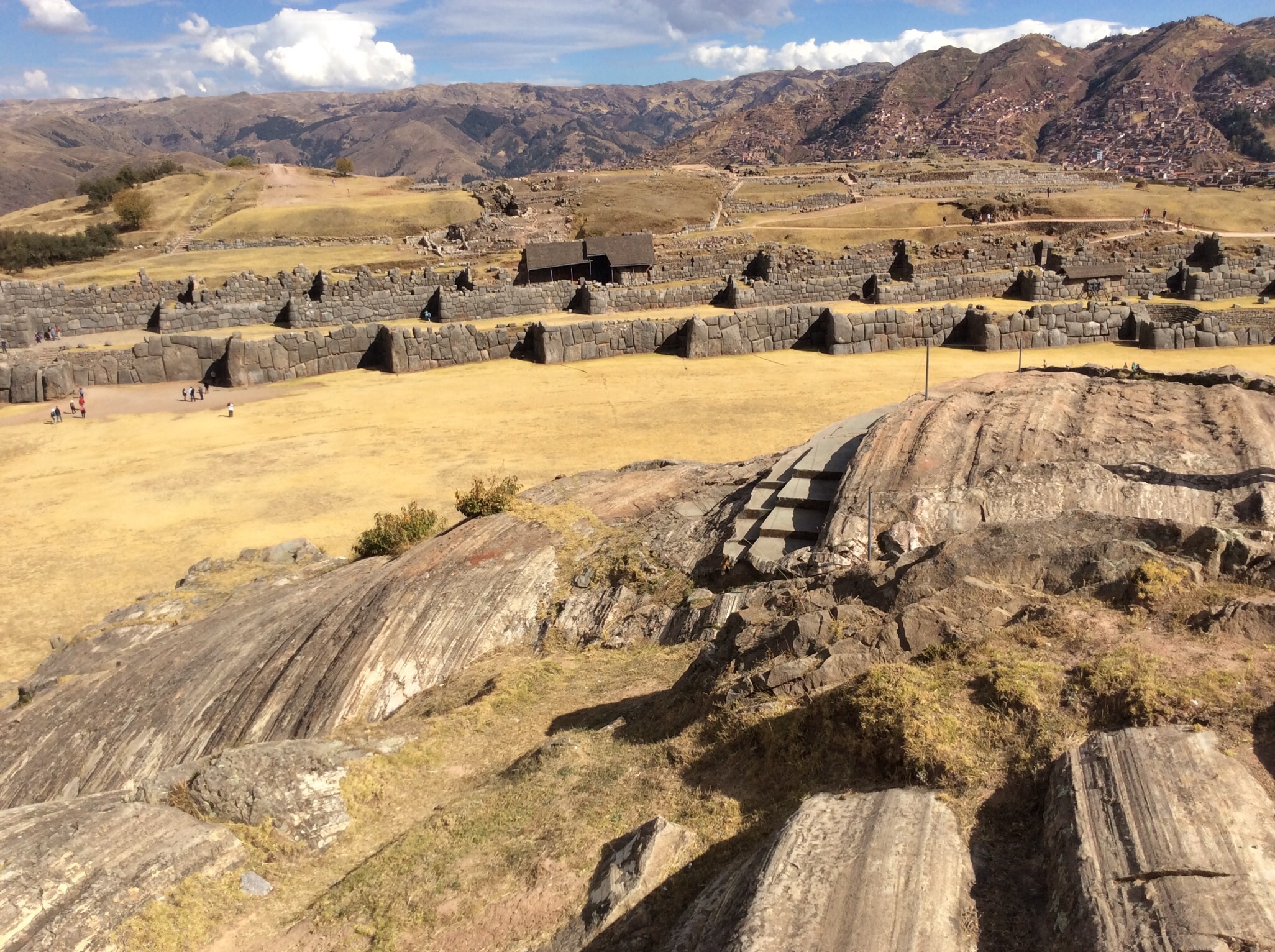
How big? Those are full grown human beings.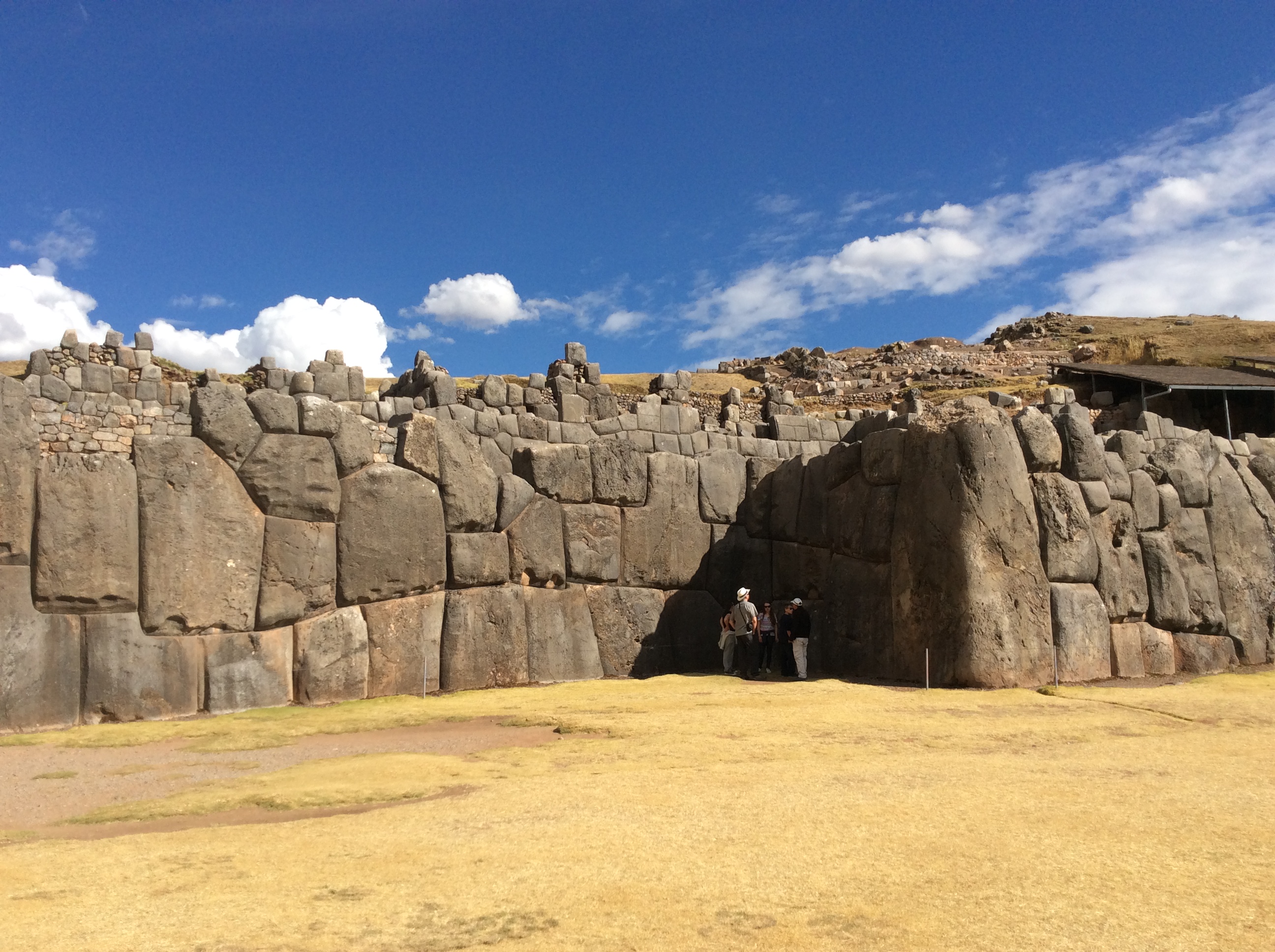
Who built it? No idea.
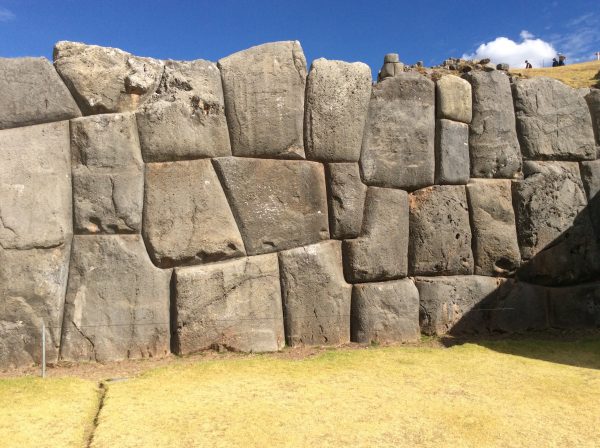
How did they build it? No idea.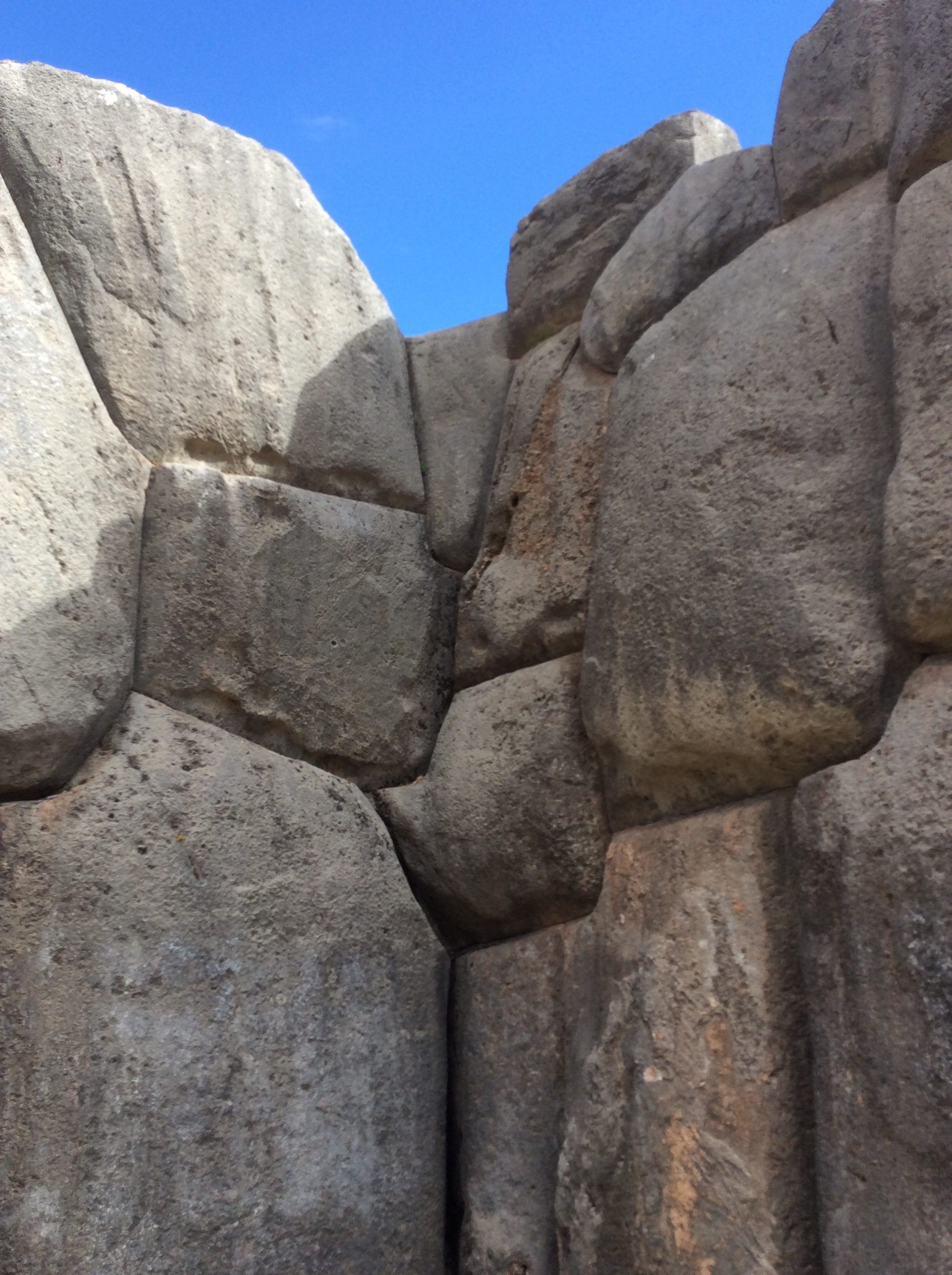
When did they build it? Apparently before the cataclysm. Here is the top of a nearby structure, hundred-ton monolith, that ended upside down. Takes a pretty big earthquake to do that! This caraclysmic event perhaps occurred around 12,000 years ago.
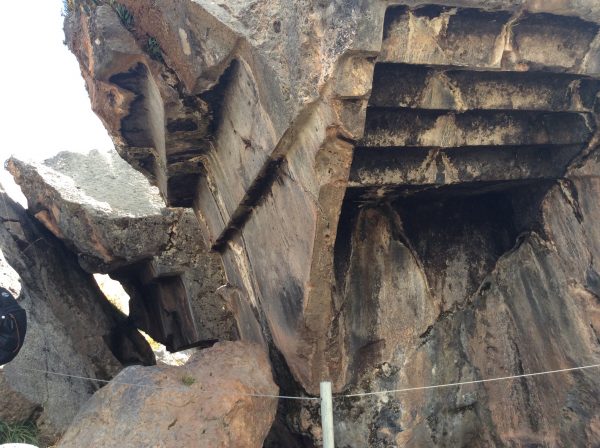
One more thing: in the year 2016, our “advanced” society is completely incapable of doing this type of stonework, or anything like it.

— wish you were here!
Travel today, from incredible seafood in Lima to high in the mountains in Cusco, and, among other delicacies, guinea pig. Stay tuned 😉
Much as it surprises me, Wikipedia has it pretty much right concerning the Ika stones. But who needs facts when you have belief? Just for fun, scan this article for its amusing faith-based struggle with coherent thought.
 Now, meet Irma Gutierrez de Aparcana, age 78, here demonstrating how she has been making the Ika stones for the last 61 years.
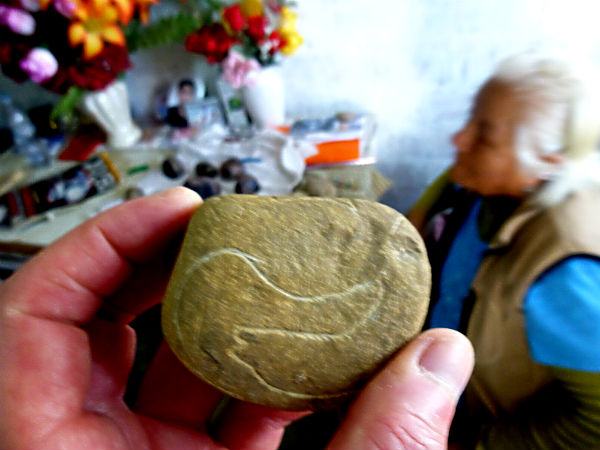
Here’s the stone she just spent a few minutes on, apparently a dinosaur, scratching with a piece of hacksaw blade.
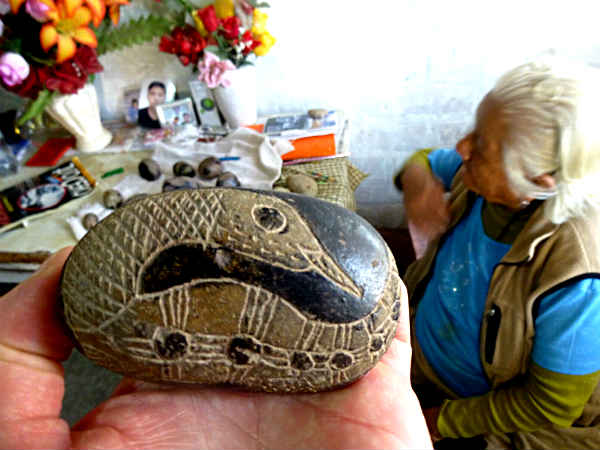
Here’s what the finished product might look like. Stones might portray humans riding dinosaurs, or complicated medical procedures (inspired by medical journals provided by Dr. Javier Cabrera, who originally promoted these “ancient wonders.” Or they might have telescopes or microscopes, “proving” that they were in use millions of years ago. Oh, yeah, the dark parts are done with shoe polish.
Not convinced? Ya gotta believe!
Irma estimates that she used to do up to twenty stones per day. 61 years. You do the math.
Disclosure: historical anomalies do exist, and I find them fascinating. Ancient superior (and lost) technology existed, as I’ll demonstrate in the next few days. But the Ika stones ain’t part of that!


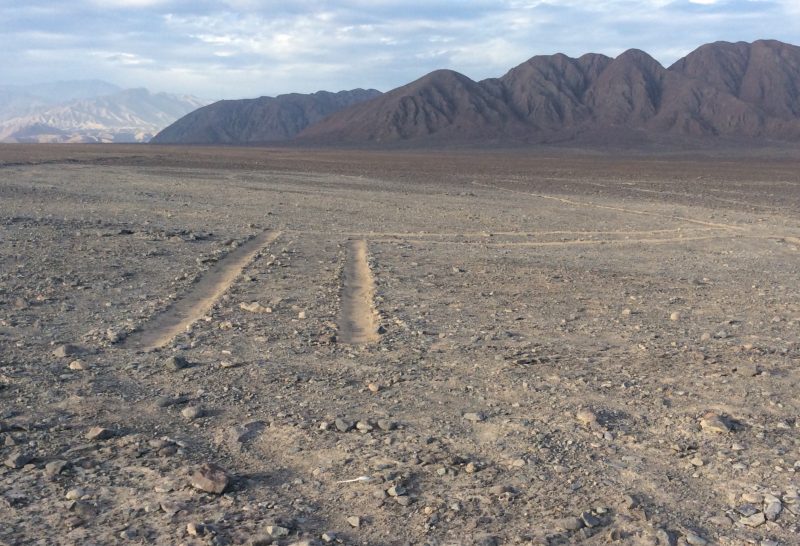
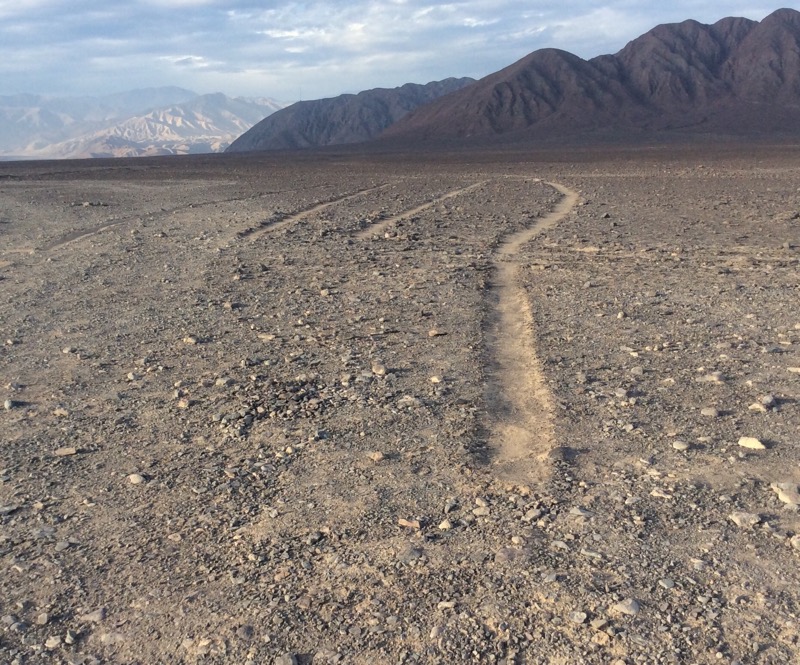

Sunset at Nasca, Peru
Museum with elongated skulls. Want a better look? Sure! Your tour guide puts on rubber gloves, opens the case, and takes them out to the front porch where the light is better. The closest is a normal human skull ( maybe 500 years old) for comparison:
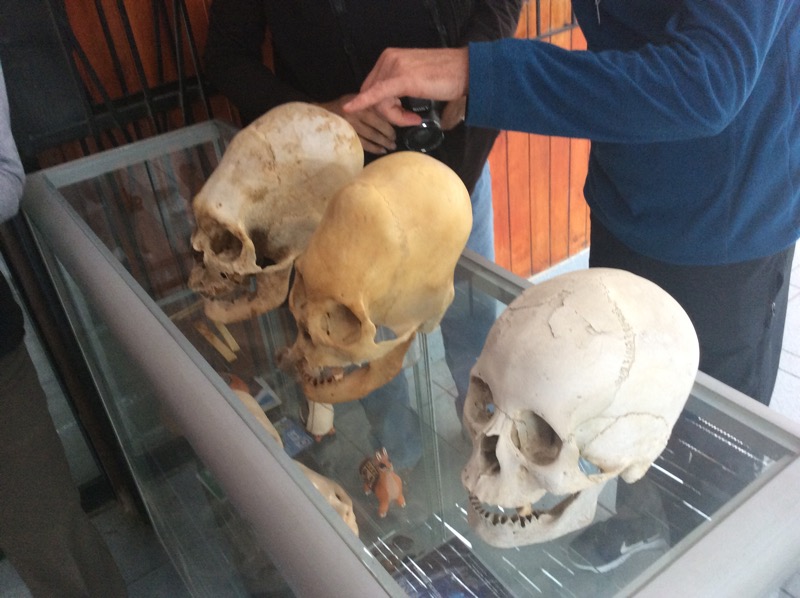
An MD on the tour discusses anomalies in the sutures of the elongated skulls:
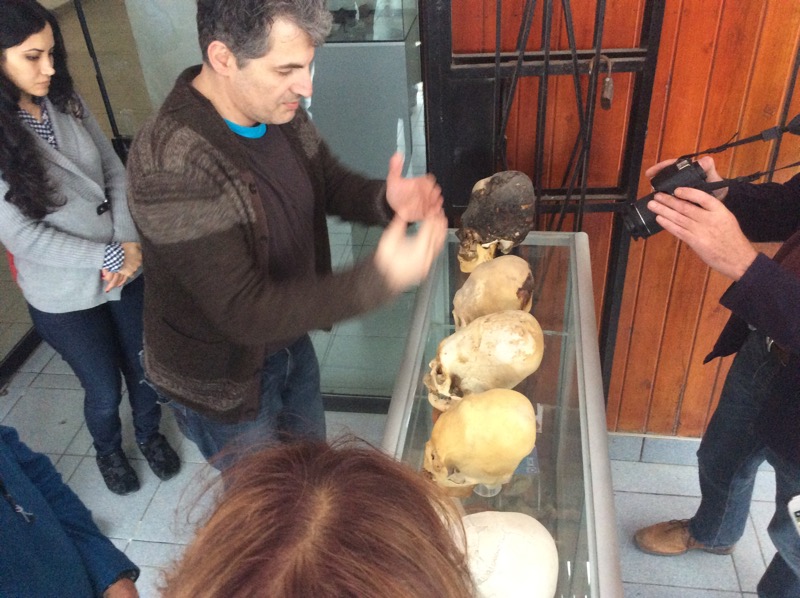
Tour guide Brien Foerster shows a skull he found and donated to the little museum in Paracas, Peru:


No, I do not intend to go all Instagramy, but for the benefit of my seafood-deprived friends in Uruguay. On the left, shrimp, octopus, potato thingies, squid, tuna, razor clams, and scallops. Chimichurri and a delightful picante sauce. On the right, Cesar salad with corn-battered prawns. All exquisitely prepared. A bit under USD 30.

By which I mean, of course, what’s wrong with putting wheels on a totally burned-out VW Fusca and towing it home instead of writing it off?
Who knows, maybe it’s a collectible.

“IDEAL PARA LAS VACACIONES//INTEGRARLO A COLECCIÓN//CLUBES DE AUTOMOVILES CLASICOS. HAY QUE VERLO!!” (You have to see it!)
Someone’s going to pay USD 12,500 for a 39 year old VW Beetle to take on vacation?
See for yourself. They’re not all that ridiculous, but the prices are still pretty horrific.

No, you didn’t ask, come to think of it. I snapped this a couple days ago, wondering “how on earth can I fit this into a blog post?”